









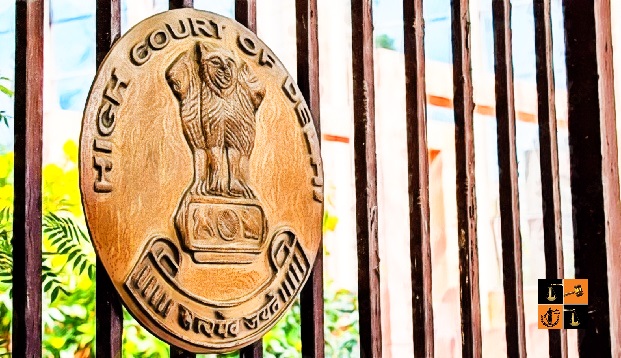
Recently, the Delhi High Court expressed dissatisfaction with a report filed by a high-level committee tasked with reviewing the city’s infrastructure, particularly its focus on only the drainage system. In its observations, the Court emphasized the need for a comprehensive review of Delhi's administrative, financial, and physical infrastructure, noting that the city’s outdated systems have led to recurring crises.
The committee, led by Delhi’s Chief Secretary and including top officials from the Municipal Corporation of Delhi (MCD), Delhi Development Authority (DDA), New Delhi Municipal Council (NDMC), and Delhi Police, was formed following the tragic drowning of three IAS aspirants in July. The aspirants died when a coaching centre, operating illegally in a basement, flooded due to heavy rain. The Court had instructed the committee to review Delhi’s overall infrastructure, including administrative, financial, and physical systems, citing concerns about the city’s outdated and chaotic state. However, when the committee filed its report on November 5, it focused primarily on the city’s drainage system, contrary to the Court’s directive to assess infrastructure more broadly. The Court found this approach inadequate, noting that the committee had misunderstood its instructions.
During the hearing, the bench, comprising Chief Justice Manmohan and Justice Tushar Rao Gedela, expressed disappointment over the committee's narrow focus. The Court emphasized that its order was to address the entire infrastructure, not just one aspect of it. The judges remarked, “The report was confined to the drainage system, whereas we had asked for a review of the city’s administrative, physical, and financial structure”. The Court also criticized the failure of various authorities to cooperate and address Delhi’s infrastructure problems. Describing the state of affairs as “sad”, the Court pointed out that improvements had only been pursued after lives were lost, stressing that such reforms should not be based on reactions to crises.
The committee’s report included recommendations like transferring 22 major drains to the Irrigation and Flood Control Department by 2024, empowering the MCD to manage the cleaning and maintenance of drains, and creating legal provisions to address drainage and sewage issues. It also called for year-round desilting of drains. With the investigation into the deaths still ongoing under the CBI, the Court’s observations underscore the urgent need for a thorough, coordinated effort to address the city’s infrastructure challenges. If the revised report is not submitted by the next hearing, the Court has stated it may refer the issue to the Union Cabinet Secretary. The Court directed the committee to submit a revised report by November 28, 2024, failing which it warned of referring the matter to the Union Cabinet Secretary.
Picture Source :



















