









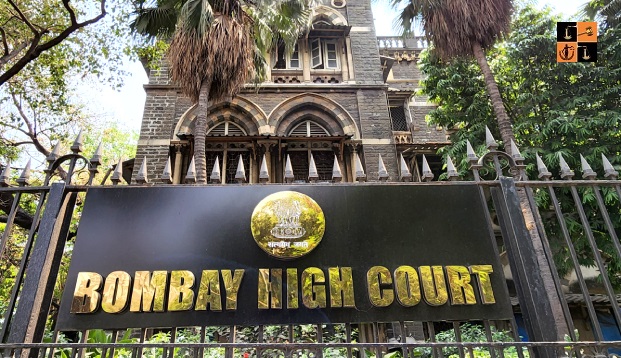
The Bombay High Court set aside an order of the Income Tax Department that had rejected an assessee’s plea for condonation of a five-month delay in filing its return for the Assessment Year 2018–19. The Court held that the delay, caused by incorrect professional advice, constituted a reasonable cause, observing that a taxpayer should not be penalized for a bona fide mistake made by a professional advisor.
The petitioner filed its return on March 30, 2019, instead of the due date of October 31, 2018. The delay arose due to uncertainty over how to treat compensation received in the form of Transferable Development Rights (TDR) for compulsory acquisition of property. The petitioner’s Chartered Accountant sought multiple legal opinions, which caused the delay.
The petitioner later sought condonation under Section 119(2)(b) of the Income Tax Act, 1961, but the Principal Commissioner rejected the plea, holding that the delay was not due to genuine hardship and reflected a lack of diligence.
The petitioner’s counsel argued that the delay resulted from professional confusion over a complex tax issue, not negligence, and denying condonation would cause genuine hardship by preventing carry-forward of losses under Sections 72 and 80. The Revenue contended that sufficient time had been available and that condonation could enable unverifiable claims.
In response, the petitioner cited Section 153(1B), which provides an extended assessment timeline for condoned returns, ensuring no loss to the Revenue.
The Bench observed that the petitioner had demonstrated bona fides and genuine difficulty in filing the return on time. The delay was not due to negligence but arose from the Chartered Accountant’s mistaken understanding of a complex tax issue. Referring to established legal principles, the Court noted that when an assessee acts on professional advice, such conduct constitutes a reasonable cause.
The Court remarked, “Where an assessee takes a course of action based on an opinion of a professional, there exists a reasonable cause for such conduct, and it ought to be treated as bona fide. The petitioner cannot be placed at a disadvantage due to an error committed by its Chartered Accountant, particularly when the issue involved was complex and lacked settled judicial guidance at the time.”
The Court also took note of the department’s own admission that the taxability of certain receipts under TDR was uncertain at the relevant period. It added that sufficient statutory safeguards existed under Section 153(1B) to ensure that the Revenue could verify all claims within the extended assessment period.
Setting aside the order dated August 7, 2024, the High Court condoned the five-month delay and directed that the petitioner’s return filed on March 30, 2019, be treated as valid under Section 153(1B) of the Act. The Court further directed the Assessing Officer to complete the assessment in accordance with law within the extended time frame.
All rights and contentions of both parties were kept open, and the petition was accordingly disposed of, with no order as to costs.
Case Title: Balaji Landmarks LLP Eartwhile ; Balaji Landmarks Private Limited Vs. Central Board Of Direct Taxes (CBDT), Through the Ministry of Finance, Department of Revenue & Ors
Case No.: Writ Petition No. 16638 of 2024
Coram: Justice B. P. Colabawalla and Justice Amit S. Jamsandekar
Advocate for Petitioner: Adv. Percy Pardiwala (Senior Advocate), Sanket Bora, Archena Shetty, Vidhi Punmiya, Amiya Das, SPCM Legal
Advocate for Respondent: Adv. Vikas Khanchandani
Read Judgment @Latestlaws.com
Picture Source :



















