









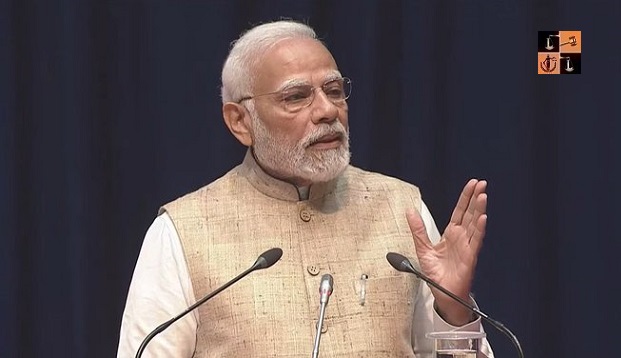
In a strongly-worded representation, the All India Bar Association (AIBA) has appealed to Prime Minister Narendra Modi to introduce a comprehensive legislation ensuring life-long government accommodation to former Chief Justices of India, Prime Ministers, and Speakers of the Lok Sabha, placing them on par with former Presidents and Vice-Presidents.
The letter, issued amidst reports surrounding the post-retirement housing struggles of former CJI Dr. Justice D.Y. Chandrachud, has reignited debate over the absence of institutional support for top constitutional authorities after demitting office. Despite provisions under the Supreme Court Judges (Amendment) Rules, 2022, which entitle a retired CJI to rent-free Type-VII accommodation for six months, Justice Chandrachud was reportedly compelled to seek an extension due to the unavailability of suitable private housing. The extension delayed occupation by his successor, Justice Sanjiv Khanna, and has now affected Justice B.R. Gavai, who is yet to move into the official residence even after 47 days in office.
Citing this as a symptom of a systemic gap, AIBA has called for a statutory framework—akin to that provided under Section 2(a) of the President’s Emoluments and Pension Act, 1951 and Section 2(a) of the Vice-President’s Pension Act, 1997, to uphold the dignity, security, and public stature of high constitutional functionaries post-retirement.
The Association also emphasized the notoriously brief tenures of Chief Justices, caused by the seniority-based appointment convention. Illustratively, Justice S. Rajendra Babu served just 29 days, Justice B.V. Nagarathna is expected to serve only 36 days, and many others have held office for less than a year. In contrast, other constitutional offices like the President and Prime Minister enjoy fixed five-year terms with reappointment potential.
Highlighting the inadequacy of private housing in Delhi for individuals of such stature, the AIBA warned that this not only affects institutional continuity but also diminishes the prestige of constitutional offices in the public and international eye. “As India rises under your visionary leadership,” the letter stated, “it is imperative to accord equal dignity to the heads of all three pillars of democracy, Legislature, Executive, and Judiciary.”
Calling the move both practically essential and symbolically significant, the AIBA expressed confidence that the government would act promptly to enshrine this recognition in law, preserving the stature of former national leaders and safeguarding the dignity of the highest judicial office in the Republic.
Picture Source :



















