









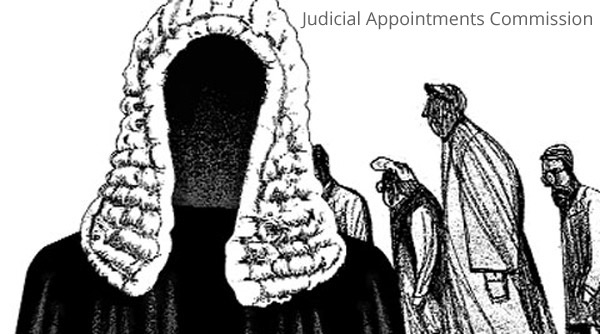
In a major move aimed at enhancing transparency and meritocracy in judicial appointments, the Supreme Court collegium has begun a new process of directly interacting with lawyers and judicial officers recommended for high court judgeships. In addition to these direct interactions, the collegium is also considering a bold step to eliminate nepotism in judicial appointments. This new approach aims to ensure a more thorough and personalized evaluation of candidates, focusing on their capabilities and suitability for the role.
This reform is part of the collegium's ongoing efforts to ensure a more merit-based and inclusive selection process. One of the significant changes discussed within the collegium is the consideration to exclude candidates with close family ties to the judiciary, particularly those whose parents or relatives are judges at the Supreme Court or High Courts.
One of the collegium judges recently proposed "instructing high court collegiums not to recommend lawyers or judicial officers whose parents or close relatives were/are judges of Supreme Court or high courts, for appointment as high court judges." This proposal has gained traction among the collegium members, who believe it would help provide first-generation lawyers with better opportunities and reduce the influence of family connections in the appointment process.
This proposal aims to prevent the perception that familial ties outweigh merit, ensuring that deserving first-generation lawyers have a fair chance at being considered for high court appointments. While some may argue that this could disadvantage candidates with judicial family backgrounds, the collegium feels confident that these individuals can still find success in their legal careers outside of the judgeship process.
The collegium, which includes Chief Justice Sanjiv Khanna and Justice B.R. Gavai, Justice Surya Kant, Justice Hrishikesh Roy, and Justice A.S. Oka, has already begun engaging with recommended candidates from the Allahabad, Bombay, and Rajasthan high courts. These interactions are part of a broader effort to assess candidates’ skills and ensure that only the most capable individuals are considered for judicial appointments.
The first batch of interactions took place with lawyers and judicial officers recommended for high court positions in Allahabad, Bombay, and Rajasthan. The collegium has already forwarded the names of those it deems suitable for appointment to the Centre, marking a significant step in refining the selection process.
Picture Source :




















