









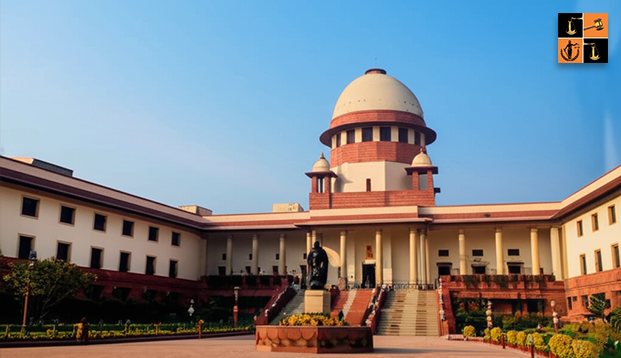
Recently, the Supreme Court expunged scathing remarks made by a High Court against a subordinate judicial officer, holding that such personal criticism in judicial pronouncements, without affording the officer an opportunity to be heard, undermines judicial dignity and system integrity. The Court emphasized that appellate or revisional scrutiny must remain confined to legal errors, and adverse commentary on personal conduct should be avoided. Highlighting administrative alternatives, the Court observed that “personal criticism of Judges or recording findings on the conduct of Judges in judgments must be avoided.”
Brief Facts:
In this matter, a judicial officer was subjected to adverse personal remarks by a Single Judge of the High Court in a bail-related order. The High Court made severe observations against the officer’s conduct without affording him any opportunity to clarify or respond. Aggrieved by the remarks, the officer approached the Supreme Court seeking their expunction.
Contentions of the Petitioner:
The petitioner contended that the observations made by the High Court tarnished his reputation and dignity, despite no opportunity being granted to present his explanation. It was argued that such personal strictures adversely impact the judicial officer’s standing and career and were passed solely based on a precedent that had already been reversed.
Observations of the Court:
The Supreme Court took serious note of the manner in which the personal criticism was recorded. Referring to its earlier judgment in Re: ‘K’, A Judicial Officer, the Court underscored the long-term harm such remarks can cause, stating, “Such criticism of a judicial officer contained in a judgment... becomes public. Even if expunged, it would not completely restitute and restore the harmed Judge from the loss of dignity and honour suffered by him.”
The Court reasoned that appellate courts, while correcting errors of Subordinate Courts, may justifiably use strong language in legal reasoning. However, there exists a crucial distinction between “criticising erroneous orders and criticising a Judicial Officer”. The latter, it observed, must be avoided unless done on the administrative side, with due procedure.
The Court further noted, “The Judges are human beings… Every Judge, irrespective of his post and status, is likely to commit errors... However, while doing so, if strictures are passed personally against a Judicial Officer, it causes prejudice… We must remember that when we sit in constitutional courts, even we are prone to making mistakes.”
Emphasizing procedural propriety, the Court proposed that any perceived misconduct of a judicial officer noticed on the judicial side should instead be brought confidentially to the Chief Justice's attention for further action on the administrative side, thereby preserving institutional respect and ensuring fairness.
The decision of the Court:
The Top Court held that the strictures passed by the High Court were uncalled for and based on a judgment already overruled. Accordingly, the impugned remarks were expunged, and the order was modified. Additionally, the Court recommended that all High Courts consider incorporating a rule, as found in the Punjab and Haryana High Court, mandating disclosure of past criminal antecedents in bail applications. A copy of the judgment was directed to be circulated among Registrar Generals of all High Courts for necessary consideration.
Case Title: Kaushal Singh vs. The State of Rajasthan
Case No.: SLP (Crl.) No (s). 2254 of 2025
Coram: Justice Vikram Nath, Justice Sanjay Karol, Justice Sandeep Mehta
Picture Source :



















