









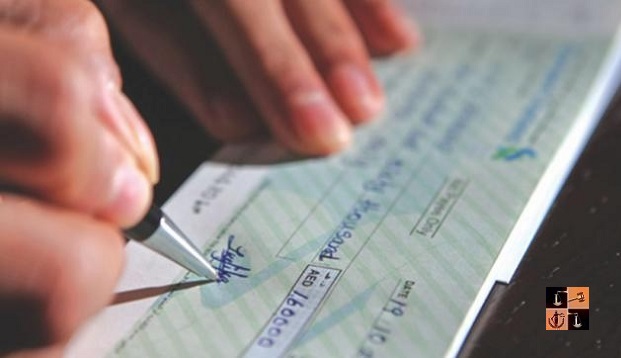
The High Court of Tripura allowed the petition which was filed against the order given by Judicial Magistrate First Class and for the repayment of the loan given to the accused by the appellant and ruled that as there are transactions, issuing of cheques, and putting signatures that the accused has not denied, it amounts to legally enforceable debt and the same is recoverable.
Brief Facts:
The complainant appellant is the owner of a brick kiln and the accused is also a fellow brick kiln owner. The accused approached the complainant to give him a personal loan and the complainant transferred the money asked by the accused from his bank account and the accused gave assurance to him that he would repay the same within a short period. Later, the accused issued two cheques to the complainant but when the complainant deposited the cheques, they were returned due to insufficient funds. A legal demand notice was sent to the accused but the accused did nothing. The complainant filed a complaint. The Judicial magistrate first class acquitted the accused even though there was proof of documents. The appellant filed this appeal against that order.
Contentions of the Petitioner:
The learned counsel appearing on behalf of the petitioner contended that the court failed to appreciate the evidence on the record and the court ought to have convicted the respondent as the prosecution has proved the charge against the respondent. He argues that at the time of cross-examination, the respondent failed to rebut the presumption of Section 139 of N.I. Act, thus the findings of the court with regard to legally enforceable debt is erroneous. He further contended that the court ought to have taken presumption under Section 139 of N.I. Act and hold that the accused person has issued the cheques against the legally enforceable debts and the respondent at no point denied his signature on the cheque, hence there is a statutory presumption of the existence of legally enforceable debts.
Contentions of the Respondent:
The learned counsel appearing on behalf of the respondent contended that legally enforceable debt is not proved as the appellant has not submitted any documents which show that he made any payment to the respondent and there is no clarity on how the money for given, why it was given and for which purpose it was given. He further argued that the story of the complainant that in good faith he had given the said amount of money to the respondent is not believable at all.
Observations of the Court:
The court observed that it is evident from the record that both the appellant and the respondent know each other. The series of business transactions as evident in the record cannot be denied and the issuing of cheques and the cheque amount are not denied by the court.
The court further observed that the accused has not denied with regard to business relation transactions with the appellant and he has also not denied issuing of the cheques. The court draws an inference that there was a business relation between the complainant and the accused and the cheques were paid to the accused person. Accordingly, the reasonable presumption has to be made under Section 139 of N.I. Act. The amount of cheques that are issued are legally enforceable debts and thus the amounts are payable by the accused person to the complainant.
The court ruled that as the accused has not denied the transactions, issuing of cheques, and putting his signature, accordingly, the liability is confirmed. So, because, there are transactions, issuing of cheques, and putting signatures, it amounts to legally enforceable debt and the same is recoverable.
The decision of the Court:
The court allow the petition.
Case Title: Shri Babul Chandra Bhowmik vs. Shri Mihir Janti Baidya
Coram: Hon’ble Mr. Justice T. Amarnath Goud
Case No.: CRL. A NO.23 OF 2022
Advocate for the Applicant: Mr. S. Lodh, Ms. A Saha
Advocate for the Respondent: Ms R Guha, Mr. S Ghosh, Ms. S. Debnath
Read Judgment @LatestLaws.com
Picture Source :




















