









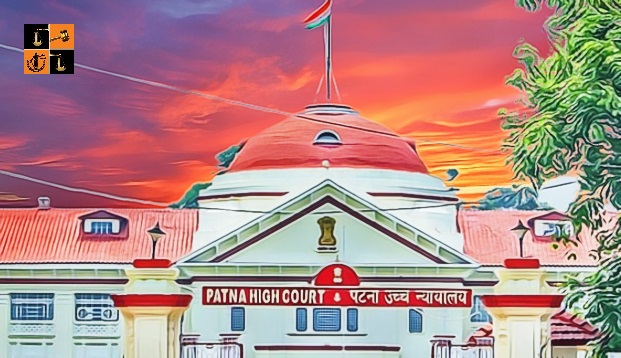
The single judge bench of Justice Purnendu Singh of the Patna High Court in the case of Arun Kumar Verma Vs The Chairman Cum Managing Director, Bihar State Power Holding Company Ltd. and Ors held that the reasons should be recorded as it is incumbent upon to authorities to pass a reasoned and speaking order.
Brief Facts:
The factual matrix of the case is that the work order was issued by the Financial Controller (Revenue) and as per clause 4 of the work order, the firm (M/s Crystal Computer Informatics Centre Pvt. Ltd., Ranchi) had to deposit Rs. 10,00,000/ as performance securities in the shape of Bank Guarantee, in the prescribed format, before the Electric Supply failing which, the work order would be treated as cancelled and work would then be allotted to another valid contractor.
Thereafter, the Petitioner was posted as Head Clerk Electric Supply Circle on the date on which the tender notice was published. Furthermore, when presenting the documents needed to sign a contract with the company M/s Crystal Computer Informatics Centre Pvt. Ltd., Ranchi, before the electrical superintending engineer, it is alleged that the petitioner acted negligently, irregularly, and illegally by demanding payment. Then, the disciplinary proceedings were initiated, and the Disciplinary Authority recorded that the charges were proved against the petitioner and accordingly passed the order of punishment for a reduction of 10% pension. Thereafter, the appeal was filed and the punishment was modified by reducing the 10% pension for 5 years only. The present writ petition was filed in order to quash the order passed by the appellate authority.
Contentions of the Petitioner:
The learned counsel appearing on behalf of the Petitioner contended that the allegation of illegal gratification was frivolous and allegation of negligence of duty is also misconceived and not sustainable. It was furthermore contended that in flagrant violation of the natural justice principle, the Disciplinary Authority passed the penalty order cutting the petitioner's pension by 10% without recording any findings on the basis of evidence for disagreement with the Inquiry Officer's findings or providing any explanation. Also, the Petitioner was not awarded with any opportunity to cross-examine the witness.
Contentions of the State:
The learned counsel appearing on behalf of the State contended that the Petitioner had committed negligence, and irregularity and demanded money for executing an agreement. It was furthermore contended that the agency was not promptly reminded by the petitioner to deposit the earnest money before the deadline. Also, the petitioner has not suffered any discrimination at the hands of the authorities.
Observations of the Court:
The Hon’ble court observes that both the orders of punishment, as well as, the appellate order are completely non-speaking orders, which reflect non-application of mind by the authorities.
It was furthermore observed that the courts will not operate as an appellate court and reevaluate the facts presented in the domestic investigation, nor will they intervene on the theory that a different conclusion may be drawn from the evidence in the record. The question of the sufficiency of the evidence or the reliability of the evidence will not be grounds for contesting the results in departmental inquiries if the inquiry has been honestly and properly conducted and the conclusions are supported by evidence.
The court relied upon the judgments titled Union of India v. P. Gunasekaran, B. C. Chaturvedi v. Union of India and Others, Union of India and Others Vs. Subrata Nath, Kranti Associates (P) Ltd. v. Masood Ahmed Khan, and Victoria Memorial Hall vs. Howrah Ganatantrik Nagrik Samity.
It was noted that as it is required of the authorities to pass a reasoned and speaking order, the reasons should be recorded.
Based on these considerations, the court was of the view that the charges were not proved against the Petitioner and it will not be in the interest of justice to remand back to the Disciplinary Authority. The court directed the respondent to make payment of the entire arrears of pension and other retiral dues payable to the petitioner in accordance with the law within a period of three months.
The decision of the court:
With the above direction, the court disposed of the writ petition.
Case Title: Arun Kumar Verma Vs The Chairman Cum Managing Director, Bihar State Power Holding Company Ltd. and Ors
Coram: Hon’ble Mr. Justice Purnendu Singh
Case No.: Civil Writ Jurisdiction Case No.112 of 2017
Advocates for the Petitioner: Mr. Nilesh Kumar Nirala, Advocate Mr. Dhananjay Mishra, Advocate Mr. Shankar Kumar Thakur, Advocate
Advocates for the Respondents: Mrs. Namrata Mishra, Advocate Ms. Archana Jha, Advocate
Read Judgment @Latestlaws.com
Picture Source :



















