









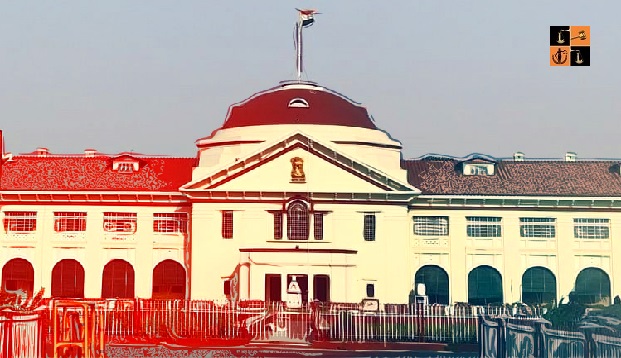
The Patna High Court, while allowing a petition filed under Article 227 of the Constitution of India for setting aside the order dated 08.09.2016 passed in Title Suit by learned Munsif, whereby the learned trial court rejected the petition dated 04.08.2016 filed by the plaintiff/petitioner under Order 6 Rule 17 of the Civil Procedure Code, held that the plea of limitation being disputed could be made a subject matter of the issue after allowing the amendment prayed for.
Brief Facts:
The petitioner is the plaintiff before the learned trial court and the respondents are the defendants. The plaintiff had filed a suit for declaration of title over the suit land as mentioned in the schedule of the plaint. The matter was at the stage of plaintiff’s evidence and examination-in-chief of the plaintiff was filed and at that time, a petition for amendment under Order 6 Rule 17 of the Code was filed on behalf of the plaintiff, making a prayer for amendment in paragraph 1, 8, 13 and in the relief portion of the plaint. The learned trial court observed that the amendment could change the nature of the suit and there was much delay in filing the petition for amendment.
Contentions of the Petitioner:
The Learned Counsel for the Petitioner submitted that the evidence of the plaintiff has just started and only the examination-in-chief of the plaintiff was filed. So, the suit is still at the initial stage. He argued that the amendments are necessary for deciding the real controversy between the parties and the learned trial court erred while rejecting the petition filed by the plaintiff and the impugned order be set aside and the petition of the plaintiff be allowed.
Contentions of the Respondent:
The Learned Counsel for the Respondent submitted that there is no infirmity in the impugned order. The petitioner/plaintiff wants to introduce a time-barred claim and has been seeking amendment in this regard. The sale deeds were executed in the year 1982 and under Article 59 of the Limitation Act, the limitation period is only 3 years for seeking declaration against the sale deed.
Observations of the Court:
The Court noted that the commencement of trial as used in proviso to Order VI Rule 17 of the Code must be understood in a limited sense as meaning the final hearing of the suit, examination of witnesses, filing of documents, and adducing of arguments. The present case is at the stage of evidence of the plaintiff. However, amendments could be allowed even after the commencement of the trial under certain conditions.
The Court observed that if the contention of the plaintiff is taken to be true, the amendment has been sought within the limitation period. In these circumstances, the plea of limitation being disputed could be made a subject matter of the issue after allowing the amendment prayed for. As the plaintiff/petitioner has raised a disputed question on the point of limitation, the same could be considered by the learned trial court after framing the proper issue with regard to limitation. On this ground, the amendment sought could not be declined.
The decision of the Court:
The Patna High Court, allowing the petition, held that the learned trial court committed an error of jurisdiction when it refused to allow the amendment petition and rejected the same.
Case Title: Gul Hasan Miyan v Aas Mohammad & Anr.
Coram: Hon’ble Justice Arun Kumar Jha
Case No.: Civil Misc. Jurisdiction No. 1513 of 2016
Advocate for the Petitioner: Mr. Ajay Kumar Pandey
Advocate for the Respondents: Mr. Ajay Mishra
Read Judgment @LatestLaws.com
Picture Source :




















