The Author, Anupam Mishra, is a Manager- Legal, Compliance & Litigation with IndiQube (a Real-Estate Organisation) headquartered at Bangalore, India. He is also a PhD. Scholar (Law) at Alliance University who also holds LL.M degree from Jindal Global Law School, LL. B from Burdwan University, PG. Diploma in Intellectual Property Right (IPR Law) from Gujarat National Law University including M.com & B.com degree from Calcutta University.
Abstract
The proliferation of digital communication platforms has given rise to cyberbullying, a pervasive issue with significant psychological impacts across various age groups. This paper explores the nuanced effects of cyberbullying on children, adolescents, and adults, delineating age-specific emotional and behavioural responses. Among children, cyberbullying often results in heightened anxiety, depression, and academic difficulties. Adolescents who are particularly vulnerable due to developmental changes exhibit increased risks of low self-esteem, suicidal ideation, and social withdrawal. Adults, though less frequently targeted, can experience severe psychological distress, impacting workplace productivity and interpersonal relationships.
The study emphasises the need for tailored interventions and preventative strategies to address these challenges. Educational programs focusing on digital literacy and empathy development are crucial for children. Adolescents benefit from peer support networks and mental health resources integrated within academic institutions. Adults require workplace policies that foster a safe digital environment and access to professional counselling services. Preventative measures are equally vital, encompassing parental guidance, school policies, and legal frameworks to curb cyberbullying. Technological solutions, such as advanced monitoring systems and artificial intelligence-based detection, also play a significant role in early identification and prevention. This comprehensive approach ensures that interventions are age-appropriate and context-sensitive, fostering resilience and well-being across all demographics.
In conclusion, the psychological impact of cyberbullying necessitates a multifaceted response tailored to the unique needs of different age groups. By implementing strategic interventions and preventative measures, society can mitigate the detrimental effects of cyberbullying and promote a healthier digital landscape for all.
Introduction- A Brief Background
Cyberbullying, defined as the use of digital technology to harass, threaten, or humiliate individuals, has become a pressing concern in the digital age. Unlike traditional bullying, cyberbullying extends beyond physical boundaries, allowing perpetrators to target victims anywhere and at any time. The ubiquity of smartphones, social media platforms, and online communication tools has exacerbated the reach and impact of such behaviour, affecting individuals across various age groups. The psychological ramifications of cyberbullying are profound and multifaceted, often leading to long-term emotional and mental health issues. Children, adolescents, and adults each experience and respond to cyberbullying differently, necessitating a nuanced understanding of these impacts to develop effective interventions and preventative strategies.
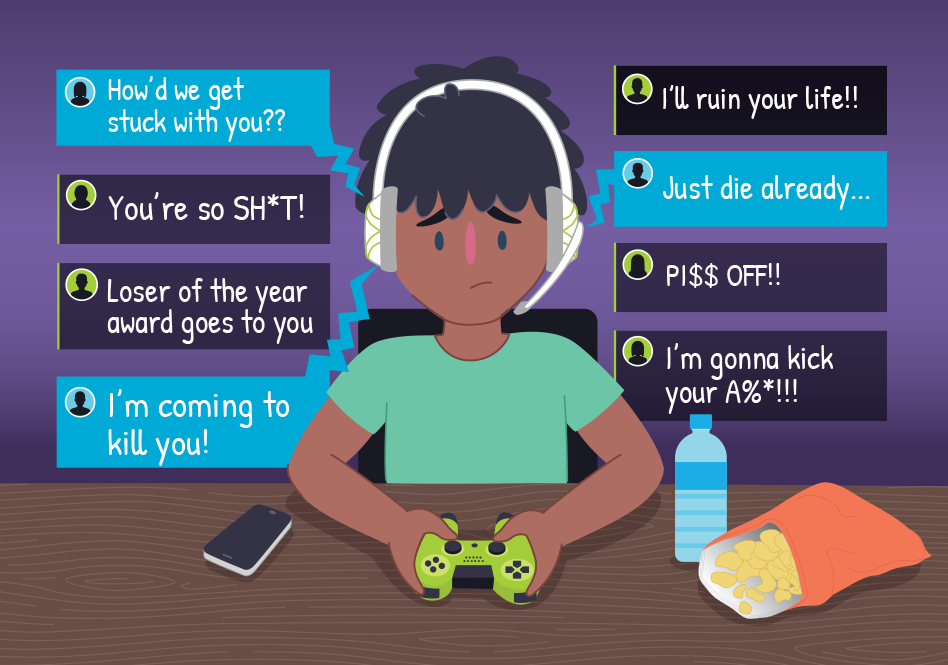
For children, cyberbullying can disrupt developmental processes, leading to increased anxiety, depression, and academic challenges. Adolescents who are navigating critical phases of identity formation and social integration may suffer from low self-esteem, heightened stress, and, in severe cases, suicidal ideation. Adults, although less frequently targeted, can experience significant emotional distress, affecting their professional and personal lives. [1]
Addressing the issue requires tailored interventions considering each age group's vulnerabilities and needs. For children, fostering digital literacy and creating supportive educational environments are essential. Adolescents benefit from peer support systems and accessible mental health resources. Adults require clear workplace policies and access to professional counselling to mitigate the impacts of cyberbullying.
Preventative strategies play a crucial role in combating cyberbullying. These include educational programs for parents and teachers, stringent school policies, robust legal measures, and technological solutions for monitoring and early detection. By adopting a comprehensive and age-specific approach, it is possible to reduce the incidence of cyberbullying and promote a safer, more supportive digital environment for everyone. This paper aims to explore the psychological impact of cyberbullying across different age groups, highlighting the importance of tailored interventions and preventative strategies to address this pervasive issue effectively.
Different Modes of Cyberbullying.
Cyberbullying in India manifests in various forms, impacting individuals across different age groups and societal segments. The real-world examples illustrate the profound psychological impacts and highlight the need for robust interventions and preventative measures. By understanding these dynamics, stakeholders can develop more effective, targeted strategies to combat cyberbullying and support victims, fostering a safer digital environment.
Below are some of the modes as highlighted:
- Harassment: Repeatedly sending offensive, rude, and insulting messages through texts, emails, or social media. This includes sending threats or using abusive language. Ex: A teenager is receiving a continuous derogatory text from classmates after a falling out, causing significant emotional distress and anxiety.
- Denigration: Spreading false information or malicious rumours about someone to damage their reputation or friendships. Ex: A student creates a fake social media profile to spread harmful rumours about a peer, leading to social isolation and depression for the victim.
- Impersonation: Pretending to be someone else and posting[2] damaging or embarrassing information online. Ex: A colleague gaining access to another employee’s email account and sending inappropriate messages to the team, leading to confusion and distress.
- Outing is sharing someone's personal, private, or embarrassing information or images without their consent. For example, a former friend of a teenager may publicly post a teenager's private messages on social media, causing humiliation and a loss of trust.
- Exclusion: Deliberately excluding someone from an online group or forum[3]. Ex: Classmates create a private group chat for a school project but intentionally exclude one member, leading to feelings of rejection and low self-esteem.
- Cyberstalking: Repeatedly sending threatening messages or engaging in other online activities that make people fear safety. An ex-partner persistently sends threatening emails and messages, causing the victim to fear for their safety[4] and mental well-being.
Understanding Cyberbullying across different age groups
Understanding the distinct psychological impacts of cyberbullying across different age groups is crucial for developing effective[5] interventions and preventative strategies. By tailoring approaches to the specific needs and vulnerabilities of children, adolescents, and adults, society can better address the pervasive issue of cyberbullying. Comprehensive educational programs, robust support systems, and stringent policies are essential components of a multifaceted strategy to combat cyberbullying and foster a healthier digital environment for all.
- Psychological Impact:
- Anxiety and Depression: Children subjected to cyberbullying often exhibit signs of anxiety and depression. The constant fear of being targeted can lead to[6] sleep disturbances, changes in appetite, and overall emotional instability.
- Academic Performance: The stress and distraction caused by cyberbullying can severely impact a child's educational performance. Victims may exhibit a reluctance to attend school, decreased concentration, and a decline in grades.
- Social Withdrawal: Children may begin withdrawing from social activities, avoiding peer interactions to escape further bullying. This isolation can hinder the development of social skills and[7] self-confidence.
Tailored Interventions and Preventative Strategies :
- Educational Programs: Schools should implement programs that teach digital literacy and responsible online behaviour. These programs should also educate children on recognising and reporting cyberbullying.
- Support Systems: Establishing a supportive environment within schools where children feel safe discussing their experiences is crucial. This can include counselling services and peer support groups.
- Parental Involvement: Parents should proactively monitor their children's online activities and maintain open communication about their[8] digital interactions.
- School Policies: Schools should have anti-bullying policies that address in-person and online bullying and outline procedures for reporting and addressing cyberbullying incidents.
- Adolescents:
- Psychological Impact:
- Identity and Self-Esteem Issues: Adolescents are in a critical period of identity formation. Cyberbullying can severely damage their self-esteem and sense of self-worth, leading to issues like body image problems and social anxiety.
- Suicidal Ideation: The intensity of emotions during adolescence, combined with the impact of cyberbullying, can increase the risk of suicidal thoughts and behaviours. Adolescents may feel trapped and unable to escape online abuse.
- Behavioural Changes: Victims of cyberbullying may exhibit changes in behaviour, such as increased aggression, substance abuse, or a sudden drop in academic performance.
Tailored Interventions and preventative strategies:
- Mental Health Resources: Schools and communities should provide accessible mental health resources, including counselling and therapy, specifically tailored to adolescents.
- Peer Support Programs: Encouraging peer-led initiatives where adolescents support each other can help create a community of empathy and understanding.
- Digital Literacy: Comprehensive education on digital citizenship, including the ethical use of technology and the impact of cyberbullying, should be integrated into the curriculum.
- Legal Frameworks: Implementing and enforcing laws specifically addressing cyberbullying can deter it and provide a straightforward course of action for victims seeking justice.
- Psychological Impact:
- Workplace Stress: Adults who are victims of cyberbullying in professional settings can experience significant stress, affecting their job performance and overall job satisfaction.
- Interpersonal Relationships: Cyberbullying can strain personal relationships, leading to feelings of isolation, mistrust, and difficulties in social interactions.
- Emotional Distress: Adults may suffer from chronic anxiety, depression, and other emotional health issues as a result of being cyberbullied.
Tailored Interventions and preventative strategies:
- Workplace Policies: Organizations should develop and enforce policies that address cyberbullying, providing clear guidelines for reporting and resolving incidents.
- Professional Counselling: Access to professional counselling services can help adult victims cope with the emotional and psychological impact of cyberbullying.
- Employee Training: Regular training sessions on workplace behaviour, including using digital communication tools, can help prevent cyberbullying.
- Supportive Environment: Creating a workplace culture that promotes respect and inclusivity can reduce the likelihood of cyberbullying incidents.
Psychological Impact of Cyberbullying
The psychological impact of cyberbullying is profound and multifaceted, affecting victims' mental health, emotional well-being, and social interactions. The effects can be long-lasting and devastating, underscoring the importance of early intervention and support. Addressing cyberbullying requires a comprehensive approach, including robust reporting mechanisms, mental health resources, educational programs, and legal protections. By understanding and mitigating the psychological impacts, society can create a safer and more supportive digital environment for[9] all. Cyberbullying, the use of digital technology to harass, threaten, or humiliate individuals, has significant psychological effects on victims. These effects can be severe and long-lasting, impacting mental health, emotional well-being, and social interactions. Understanding these impacts is crucial for developing effective[10] interventions and support systems.
Below are the psychological impacts of cyberbullying:
Anxiety and Depression, Emotional Distress:
- Victims of cyberbullying often experience heightened levels of[11] anxiety and depression. The relentless nature of online harassment can lead to hopelessness and helplessness.
- Anxiety symptoms may include excessive worrying, panic attacks, and difficulty concentrating, while depression can manifest as persistent sadness, loss of interest in activities, and[12] changes in sleep and appetite.
Case Example: A study conducted among adolescents in India found that those who experienced cyberbullying reported significantly higher levels of anxiety and depression compared to their peers. The constant fear of being targeted and the public nature of online harassment exacerbated these feelings.
Low Self-Esteem and Self-Worth, Diminished Self-Confidence:
- Cyberbullying can severely damage a person's self-esteem and self-worth. Victims may start believing the negative messages about themselves, leading to a negative self-image.
- This decline in self-esteem can affect various aspects of life, including academic performance, social relationships, and overall mental health.
Case Example: In the case of Radhika Vemula, the mother of Dalit scholar Rohith Vemula, cyberbullying through casteist slurs and abusive messages deeply impacted her self-esteem. The public humiliation and derogatory comments contributed to feelings of worthlessness and social isolation.
Social isolation, withdrawal from social interactions
- Victims of cyberbullying often withdraw from social activities and interactions to avoid further harassment. This isolation can lead to loneliness and exacerbate feelings of depression and anxiety.
- Avoiding social situations can also hinder the development of social skills and result in a lack of support from peers.
Case Example: The Blue Whale Challenge targeted teenagers and coerced them into completing tasks that isolated them from their social circles. The manipulation and secrecy required by the game led to further isolation, making it difficult for victims to seek help.
Suicidal behaviour, increased risk
- Cyberbullying is strongly associated with an increased risk of suicidal thoughts and behaviours. The overwhelming emotional pain and sense of hopelessness can[13] drive victims to consider or attempt suicide.
- The public nature of cyberbullying, where personal and humiliating information is shared widely, can amplify these feelings of despair.
Case Example: The tragic case of Jessica Logan, who sent a nude photograph to her boyfriend that was later circulated among her peers, highlights the severe impact of cyberbullying. The relentless harassment led to her suicide, underscoring the need for effective prevention and intervention strategies.
Impact on Academic and Professional Life
- For students, cyberbullying can result in decreased academic performance due to the emotional and psychological toll. Victims may struggle to concentrate, attend school, and complete assignments.
- The fear of encountering bullies can lead to school avoidance and absenteeism, further impacting educational outcomes.
- In the workplace, cyberbullying can affect job performance and career progression. Victims may experience decreased productivity, increased absenteeism, and strained relationships with colleagues.
- The stress and anxiety caused by workplace cyberbullying can lead to burnout and a higher turnover rate[14].
Case Example: An employee at a large corporation experienced cyberbullying through emails and social media. The derogatory messages and false rumours spread by a colleague led to significant stress, affecting the victim's job performance and overall job satisfaction.
The psychological impact of cyberbullying is profound and multifaceted, affecting victims' mental health, emotional well-being, and social interactions. The effects can be long-lasting and devastating, underscoring the importance of early intervention and support. Addressing cyberbullying requires a comprehensive approach, including robust reporting mechanisms, mental health resources, educational programs, and legal protections. By understanding and mitigating the psychological impacts, society can create a safer and more supportive digital environment for[15] all.
Election and Cyberbullying: Targeting Political Parties, Religion, and Caste
In the digital age, elections have become a battleground for votes and online manipulation and harassment. Cyberbullying during election periods often targets individuals based on their political affiliations, religious beliefs, and caste identities. This behaviour can have severe psychological impacts, influence public opinion, and undermine democracy.
Political Parties Cyberbullying Tactics:
- Spreading Misinformation: Fake news and doctored images are widely circulated to discredit political opponents.
- Harassment of Candidates and Supporters: Direct threats, abusive messages, and harassment campaigns are aimed at intimidating candidates and their supporters.
- Doxxing: Personal information of political figures or supporters is leaked online to threaten and intimidate them.
Real-World Example: During the 2016 U.S. presidential election, supporters of both major parties were subjected to cyberbullying. Troll farms and fake social media accounts were used to spread misinformation and sow discord among[16] of the electorate.
Religion Cyberbullying Tactics:
- Hate Speech: Online platforms are used to spread religious hate speech, inciting violence and discrimination.
- Targeted Harassment: Individuals are harassed based on their religious beliefs, often through direct messages and social media posts.
- Disinformation Campaigns: False information about religious groups is disseminated to create division and unrest.
Real-World Example: In India, elections have seen a rise in communal cyberbullying, where individuals, irrespective of any religious community, are targeted with hate speech and threats by political parties. Social media platforms have been used to spread fake news about spiritual practices, fuelling tensions.
Caste Cyberbullying Tactics:
- Caste-Based Abuse: Individuals from lower castes are subjected to derogatory remarks and threats online.
- Social Exclusion: Online groups and forums exclude individuals based on caste, leading to social ostracism.
- Misinformation: Fake news about caste-related issues is spread to manipulate public opinion and reinforce stereotypes by the political parties.
Real-World Example: In India, caste-based cyberbullying is prevalent during election seasons. Dalit activists and leaders often face severe online abuse aimed at silencing their voices and discouraging political participation.
Psychological Impact of Cyberbullying from Election
The intersection of elections and cyberbullying presents significant challenges that threaten the integrity of the democratic process and societal harmony. By understanding the specific tactics used to target political affiliations, religion, and caste and implementing tailored interventions and preventative strategies, we can mitigate the impact of cyberbullying and promote a safer, more inclusive digital environment for political discourse.
Psychological impact that occurs with individuals:
- Emotional Distress: Victims of cyberbullying experience high levels of stress, anxiety, and depression. The relentless nature of online harassment can lead to a sense of helplessness and fear.
- Political Disengagement: Cyberbullying can discourage political participation. Individuals may withdraw from political discussions, avoid campaigning, or even refrain from voting due to fear of harassment.
- Polarisation and Division: Cyberbullying exacerbates societal divisions by promoting intolerance and hostility. This can lead to increased polarisation, making it difficult to achieve social cohesion.
Tailored Interventions and Preventative Strategies
For Political Parties
- Digital Literacy Campaigns: Educate supporters on identifying fake news and respectful online behaviour.
- Robust Reporting Mechanisms: Develop systems for quickly reporting and addressing cyberbullying within party ranks.
- Legal Measures: Advocate for and enforce laws that penalise online harassment and protect political participants.
For Religious Groups
- Community Support: Establish online support groups where members can report cyberbullying and receive emotional support.
- Interfaith Dialogues: Promote interfaith dialogues online to foster understanding and reduce religious tensions.
- Content Moderation: Work with social media platforms to ensure quick removal of hate speech and disinformation.
For Caste-Based Issues
- Awareness Campaigns: Launch campaigns to educate the public about the[17] harmful effects of caste-based cyberbullying and promote inclusivity.
- Legal Recourse: Strengthen legal protections against caste-based discrimination and ensure swift action against offenders.
- Empowerment Programs: Support initiatives that empower marginalised communities to resist cyberbullying and participate in the political process.
Role of Technology and Social Media Platforms on Cyberbullying
Technology and social media platforms have revolutionised communication and introduced new challenges, including cyberbullying. Technology and social media platforms play a dual role in cyberbullying by both facilitating and combating it. While the anonymity and reach of the Internet can amplify bullying, advancements in AI, reporting tools, and educational resources offer promising avenues for mitigation. Continuous improvement and collaboration between tech companies, governments, and users are essential to effectively addressing cyberbullying. Here is a detailed look at how technology and social media contribute to and can help mitigate cyberbullying.
How Technology and Social Media Facilitate Cyberbullying?
- Anonymity: Technology allows bullies to hide their identities, making it easier to harass others without facing immediate consequences. This anonymity can embolden bullies, leading to more aggressive and persistent harassment.
- Ease of Access and Reach: Social media platforms enable bullies to reach a broad audience quickly and repeatedly target victims through multiple channels (e.g., Facebook, Instagram, Twitter, and TikTok). The widespread nature of the Internet means that victims can be bullied in front of a large audience, increasing their sense of helplessness and humiliation.
- Persistent and Permanent Nature: Online content can be challenging to remove once posted, allowing harmful material to persist and continue affecting victims over time. This permanence can lead to prolonged psychological distress for victims, as the abusive content remains accessible indefinitely.
- Multimedia Elements: Bullies can use images, videos, and other multimedia elements to create more impactful and hurtful content. The use of visual and audio elements can[18] make bullying more intense and damaging compared to traditional forms of bullying.
Measures by Social Media Platforms to Combat Cyberbullying:
- Reporting and Blocking Features: Platforms like Facebook, Twitter, and Instagram provide tools for users to report and block abusive content and accounts. These features empower users to take immediate action against bullies, though their effectiveness depends on the responsiveness of the platforms in addressing reports.
- Content Moderation and AI: Advanced algorithms and AI detect and proactively detect and remove harmful content. While AI can help identify abusive behaviour patterns, it often struggles with context and nuance, leading to false positives or negatives.
- Privacy Settings: Users can adjust privacy settings to control who can see and interact with their content. Strong privacy settings can limit exposure to potential bullies, but users often need better education on using these settings effectively.
- Educational Campaigns and Resources: Platforms collaborate with organisations to provide educational resources and campaigns to raise awareness about cyberbullying. Though their reach and impact can vary, these initiatives can increase awareness and provide users with tools and strategies to deal with cyberbullying.
Challenges and Areas for Improvement:
- Inconsistent Enforcement: The enforcement of anti-bullying policies can be erratic, with some content slipping through the cracks while others need to be correctly flagged. Platforms must refine their algorithms and invest in human moderators to ensure fair and effective enforcement.
- Cross-Platform Bullying: Bullies can target victims across multiple platforms, making it harder to contain and address the issue. Greater platform collaboration is needed to track and mitigate bullying across social media sites.
- Legal and Regulatory Measures: Legal frameworks often need to catch up to technological advancements, making it difficult to prosecute cyberbullies effectively. Governments must update laws and work with tech companies to create comprehensive regulations protecting users.
India has recognised the growing threat of cyberbullying and has instituted several legal provisions to address and combat it. The legal framework in India provides several avenues for addressing and combating cyberbullying. However, the enforcement of these laws and the awareness of victims regarding their rights and available legal recourse remain critical challenges. Enhanced digital literacy, robust reporting mechanisms, and comprehensive support systems are essential for effectively tackling cyberbullying and ensuring a safer online environment.
The legal framework primarily comprised of sections as detailed below:
The Information Technology Act, 2000
|
Section 66A: (Struck Down by the Supreme Court in 2015) |
|
|
Overview |
Initially, this section dealt with sending offensive messages through communication services. It covered messages deemed grossly offensive, menacing, or causing annoyance, inconvenience, danger, obstruction, insult, injury, criminal intimidation, enmity, hatred, or ill will. |
|
Impact |
It was often invoked in cases of online harassment and cyberbullying. However, the Supreme Court struck it down in the landmark judgment of Shreya Singhal v. Union of India (2015) for being unconstitutional and overly broad, which led to the potential misuse and suppression of free speech. |
|
Section 66C |
|
|
Overview |
Pertains to identity theft. It criminalizes the fraudulent use of another person’s electronic signature, password, or unique identification feature. |
|
Punishment |
Imprisonment up to three years and a fine of up to Rs. 1 lakh. |
|
Section 66D |
|
|
Overview |
Deals with cheating by personation using a computer resource. It addresses impersonation to deceive or cheat others online. |
|
Punishment |
Imprisonment of up to three years and a fine of up to Rs. 1 lakh |
|
Section 66E |
|
|
Overview |
Covers the violation of privacy. It criminalizes the capturing, publishing, or transmitting of private images of others without consent. |
|
Punishment |
Imprisonment up to three years or a fine up to Rs. 2 lakh, or both. |
|
Section 67 |
|
|
Overview |
Addresses the publishing or transmitting of obscene material in electronic form. |
|
Punishment |
Imprisonment up to five years and a fine of up to Rs. 10 lakh for the first conviction. Subsequent convictions can lead to imprisonment of up to seven years and a fine of Rs. 10 lakh[1]. |
|
Section 67A |
|
|
Overview |
Pertains to the publishing or transmitting of material containing sexually explicit acts in electronic form. |
|
Punishment |
Imprisonment up to seven years and a fine of up to Rs. 10 lakh for the first conviction. Subsequent convictions can lead to imprisonment of up to ten years and a fine of Rs. 10 lakh. |
|
Section 67B |
|
|
Overview |
Specifically targets child pornography. It prohibits the publishing or transmitting of material depicting children in sexually explicit acts. |
|
Punishment |
Imprisonment up to five years and a fine of up to Rs. 10 lakh for the first conviction. Subsequent convictions can lead to imprisonment of up to seven years and a fine of up to Rs. 10 lakh. |
Protection of Children from Sexual Offences (POCSO) Act, 2012
- Overview: This act explicitly addresses the sexual abuse and exploitation of children. It includes provisions that cover the use of digital platforms for the abuse and exploitation of children.
- Punishment: Depending on the severity of the offence[1], it can range from rigorous imprisonment for not less than three years to life imprisonment and fines.
Protection of Women from Domestic Violence Act, 2005
Though primarily focused on domestic violence, this act also includes provisions for addressing psychological abuse, which can encompass forms of cyberbullying and harassment within domestic relationships.
It also comprised of punishments from the Indian Penal Code (IPC), which is referred to as Bhartiya Nyaya Sanhita, now effective from 1st July 2024. Key sections under IPC had punishments as detailed below:
|
Section 354D |
|
|
Overview |
It pertained to stalking, including cyberstalking, which involves monitoring the Internet, email, or any other electronic communication. |
|
Punishment |
For the first conviction, imprisonment was up to three years and a fine. For subsequent convictions, imprisonment was up to five years and a fine. |
|
Sections 499 and 500 |
|
|
Overview |
It dealt with defamation. Cyberbullying, which involves making false statements to harm someone's reputation, was prosecuted under these sections. |
|
Punishment |
Imprisonment was up to two years, or a fine, or both. |
|
Section 507 |
|
|
Overview |
Criminal intimidation by anonymous communication. It covers threats made via electronic means, which can be used to address cyberbullying. |
|
Punishment |
Imprisonment up to two years in addition to the punishment provided for the offence by section 506[1] (criminal intimidation). |
|
Section 509 |
|
|
Overview |
Word, gesture, or act intended to insult the modesty of a woman[2]. This section can be invoked in cases where cyberbullying involves sexual harassment. |
|
Punishment |
Simple imprisonment up to one year, or a fine, or both. |
However, it must be noted that India's legal framework for addressing cyberbullying has been significantly updated with the introduction of three new acts:
- The Bharatiya Nyaya Sanhita (BNS) (replacing the Indian Penal Code): The new law has renumbered and updated sections to reflect modern crimes, including cyberbullying.
- For example, offences like cheating, previously under Section 420 of the IPC, are now under Section 316.
- Also, Section 79 in the new law clarifies that a person can be booked via FIR, where it is found that whoever intends to insult the modesty of any woman who utters any words or makes any sound or gesture or has passed any derogatory remark which has insulted the modesty of women shall be booked under this section. Recently, an FIR was registered on political party, Trinamool Congress (TMC) MP Mahua Moitra, where the commission observed that the TMC MP passed on a derogatory remark on the National Commission of Women (NCW) chief, which has attracted section 79 of the BNS while lodging the FIR[1].
- The Bhartiya Nagarik Suraksha Sanhita (BNSS) (replacing the Code of Criminal Procedure): This law emphasises using digital records and e-governance to streamline documentation and case tracking. It includes provisions for e-FIRs, allowing individuals to lodge complaints online and making the process more accessible and transparent, particularly for cybercrimes. Formalised under this law, complaints can be registered at any police station, regardless of jurisdiction, which is crucial for timely action in cyberbullying cases.
- The Bhartiya Sakshya Adhiniyam (BSA) (replacing the Indian Evidence Act): This law explicitly includes digital and electronic records as admissible evidence. This is critical for cyberbullying cases where digital communication is involved. The National Forensic Science University has also been established to enhance forensic capabilities and ensure the reliable handling of digital evidence.
These new laws aim to modernise the legal framework to handle cyberbullying effectively. They provide clear guidelines for collecting, preserving, and presenting digital evidence, thus ensuring accountability and swift justice. The comprehensive overhaul of these laws reflects India's commitment to addressing the complexities of cyberbullying and other cybercrimes, offering victims better legal recourse and ensuring that offenders are prosecuted under updated and relevant statutes.
Case Study 1: Aarushi Talwar Murder Case and Cyberbullying of the Victim's Family:
- Background: Aarushi Talwar, a 14-year-old girl, was murdered in her home in 2008. The case received massive media coverage, and Aarushi's parents, Rajesh and Nupur Talwar were subjected to intense scrutiny and cyberbullying.
- Cyberbullying Incident: The Talwar family faced online abuse, false accusations, and defamatory comments on social media platforms. The cyberbullying exacerbated their emotional distress during the already traumatic period of their daughter’s murder investigation.
- Outcome: The couple was eventually acquitted by the Allahabad High Court in 2017 due to lack of evidence. The cyberbullying they endured highlighted the need for stronger protections against online harassment during high-profile criminal cases.
Case Study 2: Radhika Apte’s Leaked Video
- Background: Bollywood actress Radhika Apte was a victim of cyberbullying when a private video clip from one of her films was leaked online in 2015.
- Cyberbullying Incident: The leaked clip went viral, and Radhika faced significant online harassment, including abusive comments, body shaming, and defamation.
- Outcome: Radhika Apte took a strong stance against cyberbullying, openly condemning the act and urging more decisive legal action against such privacy violations. This incident shed light on the need for better cyber security measures and more stringent enforcement of cyber laws.
Case Study 3: The Blue Whale Challenge
- Background: The Blue Whale Challenge was a dangerous online game that targeted teenagers and coerced them into completing a series of tasks, ultimately leading to self-harm and suicide.
- Cyberbullying Incident: Several cases of teen suicides in India were linked to this game. Participants were subjected to severe psychological manipulation and cyberbullying by the game’s administrators.
- Outcome: Indian authorities issued warnings and took measures to block access to the game. The incident highlighted the dangers of cyberbullying through online games and the need for parental awareness and monitoring of children’s online activities.
Case Study 4: Pratyusha Banerjee Suicide Case
- Background: Pratyusha Banerjee, a famous television actress, committed suicide in 2016. Reports suggested she was a victim of cyberbullying and online harassment.
- Cyberbullying Incident: Pratyusha faced online abuse and defamatory remarks on social media, contributing to her mental health issues.
- Outcome: The case drew attention to the severe impact of cyberbullying on mental health and the urgent need for effective legal mechanisms to protect individuals from online harassment.
Case Study 5: Legal Judgement: Vinupriya Case
- Background: In 2016, Vinupriya, a 21-year-old student from Tamil Nadu, committed suicide after morphed obscene pictures of her were posted online.
- Cyberbullying Incident: Vinupriya reported the cyberbullying to the police, but inadequate action and continued harassment led to her tragic decision.
- Outcome: The case led to widespread outrage and calls for stricter cyber law enforcement. It underscored the need for prompt and effective police responses to cyberbullying complaints and the importance of mental health support for victims.
These case studies emphasise the importance of:
- Strengthening Cyber Laws: Updating and enforcing laws to protect individuals from cyberbullying, including specific provisions in the newly introduced Bhartiya Nyay Sanhita, Bhartiya Nagarik Suraksha Sanhita, and Bhartiya Sakshya Adhiniyam.
- Educational Campaigns: Raising awareness about cyberbullying and promoting digital literacy among children, parents, and educators.
- Mental Health Support: Providing psychological support and counselling services to victims of cyberbullying to mitigate its impact on mental health.
- Parental and Institutional Monitoring: Encouraging proactive monitoring by parents and educational institutions to detect and address cyberbullying early.
By addressing these areas, India can create a safer and more supportive digital environment for all its citizens.
Conclusion and Future Directions
The psychological impact of cyberbullying on different age groups is profound and multifaceted, necessitating tailored interventions and preventative strategies. Cyberbullying can cause significant emotional and psychological distress, including anxiety, depression, and, in severe cases, suicidal ideation. This impact varies across age groups due to differing developmental stages and coping mechanisms. Addressing the psychological impact of cyberbullying requires a multifaceted approach involving families, schools, workplaces, technology platforms, and legal systems. Tailored interventions must be developed to cater to the specific needs of different age groups, ensuring comprehensive support and effective prevention strategies. By fostering a culture of respect and safety[2] online, society can mitigate the detrimental effects of cyberbullying and promote healthier digital interactions.
References:
[1] https://kidshelpline.com.au/sites/default/files/OGAIBB_TEEN_THUMBNAIL.png
[2] Understanding Cyberbullying Helps Create Safer Schools - Sue Scheff Blog. https://www.suescheffblog.com/end-peer-cruelty-understanding-cyberbullying/
[3] The Online Epidemic Of Cyberbullying | Visual.ly. https://visual.ly/community/Infographics/lifestyle/online-epidemic-cyberbullying
[4] Harassment in New York | Reputation. Respect. Results.. https://nyccriminalattorney.com/harassment-in-new-york/
[5] Substance Abuse Statistics by Age. https://www.leorabh.com/blog/substance-abuse-statistics-by-age
[6] How to Prevent Emotional Bullying in Middle School Students - Healthy Parenting Habits. https://healthyparentinghabits.com/how-to-prevent-emotional-bullying-in-middle-school-students/
[7] What Is The Impact Of Online Gaming On The Socila Developments Of Teenager | Robots.net. https://robots.net/tech/what-is-the-impact-of-online-gaming-on-the-socila-developments-of-teenager/
[8] Is the Metaverse Safe? - Capsule Sight. https://capsulesight.com/metaverse/is-the-metaverse-safe/
[9] Analyzing the Concept of Stranger Danger on Omegles Platform - Instalator Sanitar București. https://instalator-sanitar-bucuresti.ro/analyzing-the-concept-of-stranger-danger-on-omegles-platform/
[10] Unraveling the Impact: A Comprehensive Analysis of the Effects of Chemical Agents - Dynamics Blog. https://dynamics-blog.com/chemicals-minerals/unraveling-the-impact-a-comprehensive-analysis-of-the-effects-of-chemical-agents.html
[11] How to address and prevent online harassment or bullying among your children?. https://www.gamenguides.com/how-to-address-and-prevent-online-harassment-or-bullying-among-your-children
[12] Counseling | Bailiff Counseling. https://www.bailiffcounseling.com/counseling
[13] How Does Bullying Affect Mental Health? - Better Tomorrow. https://bettertomorrowtc.com/blog-post/how-does-bullying-affect-mental-health
[14] How Home Health Software Improves Patient and Provider Experience – Hitachi Solutions. https://global.hitachi-solutions.com/blog/home-health-software-service/
[15] Supra8
[16] Russian Trolls Fooled Trump's Campaign Staff by Posing as Americans. https://www.dailydot.com/layer8/russia-facebook-trump/
[17] How Long Can Someone Stay on Suboxone? - MedicalHubNews. https://medicalhubnews.com/drugs/opioid-use-disorder/buprenorphine/suboxone/how-long-can-someone-stay-on-suboxone
[18] The Importance of Storytelling in Video Marketing. https://www.ellisfilms.com/post/the-importance-of-storytelling-in-video-marketing
[19] CBI busts global child porn racket; 20-year-old arrested from UP - Rediff.com. https://www.rediff.com/news/report/cbi-busts-global-child-porn-racket-20-year-old-arrested-from-up/20180222.htm?print=true
[20] Nationalism, democracy and sedition: It's just not cricket. https://thefederal.com/opinion/nationalism-democracy-and-sedition-its-just-not-cricket/
[21] Protection of Journalists from Online Harassment. https://www.legalbites.in/protection-of-journalists-from-online-harassment/
[23] First information report
[24] 7 Common Types of Business Insurance Claims & How to Avoid Them. https://www.torianinsurance.com/blog/common-business-insurance-claims/
Picture Source :