









Introduction:
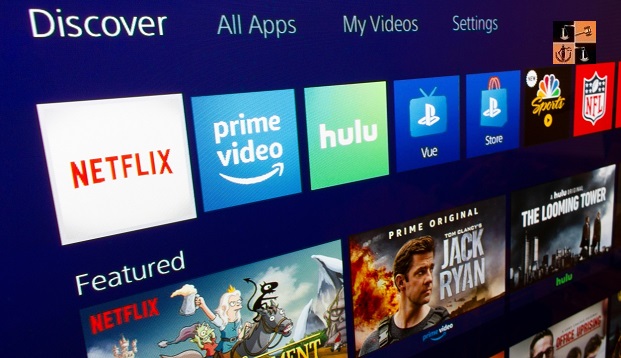
The rise of over-the-top (hereinafter referred to as “OTT”) platforms in India since 2019 has been remarkable, with a surge in popularity during the COVID-19 lockdown. While these platforms were relatively unknown to many before, the unprecedented circumstances of the pandemic and the shift towards online education led to increased internet accessibility and changed viewing habits. During the lockdown, OTT platforms saw a 30% rise in audience engagement as people turned to them for entertainment without traditional sources like theatres and television.
One of the reasons for the growing popularity of OTT platforms is the perception that they offer a more comprehensive range of content in quantity and quality compared to mainstream Indian cinema. However, this has also led to controversies, with protests against the content uploaded on these platforms. Many parents and religious groups have expressed concerns about the suitability of the content for children and its impact on religious sentiments. The protests have prompted the government to take measures to regulate the content on OTT platforms.
As the popularity of OTT platforms continues to rise in India, there is a need to balance creative freedom and responsible content creation. The regulation of OTT platforms has become a topic of debate, with stakeholders expressing varying opinions. Nevertheless, the impact of OTT platforms on India's entertainment landscape and society cannot be ignored, and the evolving regulatory framework will likely shape their future trajectory.
History of Censorship:
The origins of film censorship in India can be traced back to the British era when the Colonial Government introduced legal provisions to suppress dissent, and protests against their rule. In 1917, the Imperial Legislative Council took note of the increasing popularity of cinematograph exhibitions in India and expressed concerns about the content shown in such arrangements. This led to the introduction of a Bill recommending a law to ensure the safety and protection of the public from indecent or objectionable representations. As a result, the Cinematography Act of 1918 was enacted, marking the beginning of film censorship in India, the Act continued to be in force even after Independence. The government later amended it in 1952 to establish the Central Bureau of Film Certification (hereinafter referred to as “CBFC”) as the authority for film censorship.
Over the years, film censorship in India has been governed by multiple statutes, making it a complex and multifaceted journey. The power of censorship is primarily derived from the reasonable restrictions laid down under Article 19(2) of the Indian constitution, which allows for imposing restrictions on the freedom of expression in the interest of public decency and morality.
The judiciary has played a crucial role in shaping the landscape of film censorship in India. In the case of KA Abbas v Union of India[1], the Apex Court held that Section 5B of the Cinematography Act aligns with Article 19(2) of the constitution and is essential to protect public decency, making censorship a necessary restriction for the greater good of society. However, the court also emphasised that censorship should not impose unreasonable limitations on the freedom of expression.
In the case of S Rangrajan v P Jagjivan Ram[2], the court further clarified that if the exhibition of a film cannot be validly restricted under Article 19(2), it cannot be suppressed due to threats of demonstrations or violence. The court emphasised that protecting freedom of expression is the state's duty and surrendering to blackmail and intimidation would negate the Rule of Law.
In Bobby Art International v Om Pal Singh Hoon[3], the court opined that films must be judged in their entirety, considering their overall impact. It held that scenes of nudity and violence if intended to condemn degradation and advance a social message, may be permissible in the context of the film's theme.
In recent times, the issue of film censorship has been a topic of controversy, as highlighted in the case of the movie Udta Punjab[4]. The CBFC refused to certify the film, which depicted the issue of drug menace in Punjab and instead suggested numerous cuts as a mandatory measure for certification. However, the Bombay High Court criticized the board for its conduct and poor handling of the issue, stating that its power is limited to certifying films for exhibition purposes and not censoring content. The court observed that the board had exceeded its intended authority, which can threaten citizens' rights, and emphasized that its actions must be in line with constitutional guarantees. The recent observations by the judiciary highlight the need for a balanced approach to film censorship, ensuring that it is carried out following constitutional guarantees and does not infringe upon the fundamental rights of citizens.
OTT platforms in India were not subject to any censorship laws. However, this has changed with the introduction of the Information Technology (Intermediary Guidelines and Digital Media Ethics Code) of 2021. Under these rules, two bodies have been established - the Indian Broadcasting and Digital Foundation (hereinafter referred to as “IBDF”) and the Digital Media Content Regulatory Council (hereinafter referred to as “DMCRC”).
The IBDF has been tasked with creating a redressal mechanism for grievances related to content on streaming platforms. This includes forming a self-regulatory body that will handle complaints and disputes, ensuring that the content on streaming platforms aligns with the regulatory guidelines. The IBDF aims to balance creative freedom and responsible content creation in digital media.
On the other hand, the DMRC is a self-regulatory body formed to regulate digital media content and ensure compliance with the guidelines set by the Ministry of Information and Broadcasting guidelines. It aims to provide a framework for responsible content creation and dissemination in the digital media landscape while also addressing concerns related to censorship, misinformation, and other content-related issues. The introduction of these bodies marks a significant shift in the regulatory landscape for OTT platforms in India.
Exploring the Pros and Cons of Censorship:
Censorship serves various purposes and advantages, including regulating content disseminated through films and web shows to ensure alignment with societal norms, values, and legal provisions. It can prevent the spread of potentially harmful or offensive material that may incite violence, hatred, or discrimination. Censorship also protects vulnerable audiences, such as children and adolescents, from being exposed to age-inappropriate or psychologically harmful content, thus safeguarding their mental and emotional well-being. Additionally, it maintains cultural sensitivities and prevents the portrayal of content that may offend specific cultural, religious, or social sensitivities, promoting harmony and respect among diverse communities. Furthermore, censorship upholds legal provisions, such as copyright laws, intellectual property rights, and defamation laws, preventing the dissemination of illegal or unauthorised content that may infringe upon the rights of others.
On the other hand, censorship in the hands of an authoritarian government can restrict the artistic freedom and creative expression of filmmakers and content creators, resulting in the alteration or suppression of their intended messages or themes. It can hinder the exploration of controversial or thought-provoking subjects, leading to a homogenised or diluted portrayal of reality. Censorship may also be susceptible to abuse by those in authority, resulting in biases, favouritism, or political interference. It may suppress dissenting voices, diverse perspectives, or critical commentary, leading to a skewed representation of reality or manipulation of information. Moreover, censorship can impact commercial viability, as it may require the removal or modification of content, resulting in financial losses for filmmakers, producers, or distributors. It may also limit the availability of diverse or unconventional ranges, affecting audience choices and preferences. The authoritative nature of censorship raises ethical concerns regarding morality, fairness, and transparency. It may involve subjective judgments, personal biases, or lack of accountability, leading to potential injustices or violations of freedom of expression.
When it comes to censorship, a delicate balance needs to be struck. It is a precise and dynamic process that requires careful consideration of various factors and stakeholders.
Conclusion:
Censorship plays a crucial role in movies and web shows to protect vulnerable audiences, particularly children and adolescents. By imposing censorship, it helps to prevent young viewers from being exposed to inappropriate content, such as explicit violence, sexual content, or disturbing themes, which may not be suitable for their age group. This safeguards their mental and emotional well-being by allowing them to consume content appropriate for their maturity level and understanding. Furthermore, censorship also assists parents and caregivers in guiding their children's media consumption. It provides a reliable system for regulating content, empowering parents to make informed decisions about what movies or web shows are suitable for their children to watch. This allows parents to have greater control over the content their children are exposed to, ensuring that they are not exposed to material that may harm their development.
However, it is essential to note that censorship for adults can create challenges, as they can decide whether a particular show or movie offends their sensibilities or beliefs and choose not to watch it. In a society where individual choice is valued, adults should be free to select any content they wish to consume without interference from the government. To promote awareness about parental control, there needs to be a greater societal understanding. Parents should take an active role in governing what their children consume, being aware of the controls available on their devices to protect their children and monitor their activities. Parents must proactively ensure their children consume age-appropriate content and are safeguarded from potentially harmful material.
[1] KA Abbas v Union of India ((1971) AIR 481)
[2] S Rangrajan v P Jagjivan Ram (1989 SCC (2) 574)
[3] Bobby Art International v Om Pal Singh Hoon ((1996) 4 SCC 1)
[4] Wattan Sharma vs Union Of India And Ors (CWP No.12510 of 2016 (O&M))
Picture Source :




















