Saturday, 25, Apr, 2026
- Internship Opportunity at Law CPM, Delhi [Offline; May / June / July 2026; Performance based Stipend]: Apply Now!
- JOB POST: Junior IP Associate at Intellect Goodwill LLP, Indore [Offline]: Apply Now!
- Section 138 NI Act | Mediation Compromise in Civil Suit does not automatically terminate parallel Criminal Prosecution, rules HC
- "जैसे ही तलाक की कार्यवाही शुरू होती है, हर कोई बेरोजगार बन जाता है; सुप्रीम कोर्ट की बड़ी टिप्पणी"
- मदरसों की एटीएस से जांच कराने के आदेश को हाईकोर्ट में चुनौती, चार मई को होगी सुनवाई
- WB Electoral Roll Deletions | SC directs disenfranchised Voters to exhaust Appellate Tribunal remedy before seeking Constitutional Relief
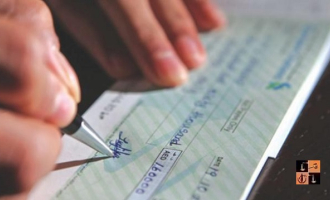
- HC: Waiver of Cost on Compounding Cheque Bounce cases only in Exceptional Circumstances
- अफ्रीकी महिलाओं से मारपीट मामले में AAP नेता सोमनाथ भारती को बड़ी राहत, कोर्ट ने किया बरी"
- Marriage cannot be a Licence to Exploit | HC imposes Rs.15 Lakh Cost on Husband who claimed unemployment while draining Wife's salary
- बीसीए की छात्रा की कमरे में हुई थी संदिग्ध मौत, हाईकोर्ट सख्त; पूछा- एफआईआर दर्ज क्यों नहीं हुई
- गौतम बुद्ध नगर और एटा पुलिस की करतूत से हाईकोर्ट नाराज, यूपी के डीजीपी से मांग लिया व्यक्तिगत हलफनामा; जानिए वजह
- Bar Council of Delhi Elections 2026: Counting of votes to resume from 25th April in Delhi HC
- [Press Release] Zorvia Flags SEBI Disclosure Concerns in Court, in Ongoing Defamation Proceedings Against Emcure and Zuventus
- Webinar on ‘Women in Criminal Law: Roles and Realities’ by Pink Legal Femora [April 26; 5 PM; Free]: Register Now!
- CfP: Vishwakarma University Law Journal [Volume 6 Issue 1]: Submit by May 15!