Saturday, 13, Jun, 2026
- ‘You Cannot Violate Rules and then Seek Protection’: SC Refuses Relief in Goa Coastal Construction Dispute
- सीट चोरी सबको दिख रही, लड़ाई जारी रहेगी', सुप्रीम कोर्ट से झटका लगने के बाद बोलीं मीनाक्षी नटराजन
- ट्विशा शर्मा के पिता ने की शिकायत ने केस में नया मोड़, समर्थ की शादी में डांस करने वाले वकीलों के खिलाफ शिकायत
- फर्जी ईडी अफसर बनकर बुजुर्गों को ठगने वाली पूजा राजपूत को कोर्ट से मिली जमानत
- 'आरक्षण का लाभ लिया तो जनरल सीट पर दावा नहीं', नौकरी में रिजर्वेशन मामले में हाई कोर्ट का बड़ा फैसला
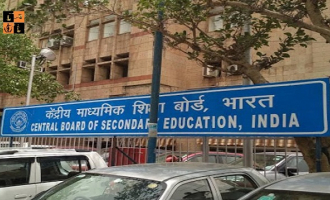
- HC Refuses urgent reopening of CBSE Revaluation Portal, says it may delay results for 17.8 Lakh Students
- सलमान खान ने फिल्म 'काला हिरण' के खिलाफ हाईकोर्ट का दरवाजा खटखटाया; टीजर व रिलीज पर रोक की मांग की
- HC declares Lucknow Advocate's 8-Day Strike Illegal, questions Lathi Distribution and Provocative Speeches
- Bengaluru Advocate, Live-In Partner Arrested in 5-Year-Old Daughter's Murder Case
- अनपढ़ याची के अंग्रेजी साइन: अवैध खनन याचिका का रहस्य गहराया, हाईकोर्ट ने कहा-CBI तीन माह में पूरी करे जांच
- Child Custody Disputes: SC Lay's Guidelines for Child's Psychological Evaluation
- ममता बनर्जी को बड़ा झटका... हाईकोर्ट ने स्पीकर के फैसले पर रोक लगाने से किया इनकार, ऋतब्रत बनर्जी बने रहेंगे नेता प्रतिपक्ष
- पहले बच्चे को मारा फिर खुद की आत्महत्या की कोशिश: केरल हाईकोर्ट ने पलटा फैसला, महिला को किया बरी; जानें मामला
- Can a Husband be Convicted for Cruelty u/s 498A IPC just because he Stopped Talking to his Wife, SC says No
- 'पहली पत्नी के रहते दूसरी शादी करने वाली महिला को नहीं मिलेगी फैमिली पेंशन', हाई कोर्ट का अहम फैसला