Wednesday, 22, Apr, 2026
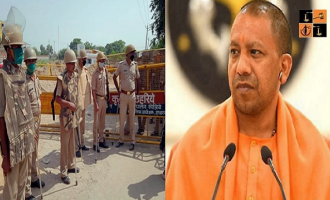
- UP में बेवजह मदरसों की जांच पर इलाहाबाद हाई कोर्ट सख्त, योगी सरकार और ATS को किया तलब
- हाईकोर्ट में बीजेपी विधायक की पेशी, बिना शर्त माफी के बाद भी राहत नहीं, 14 मई को फिर हाजिर होंगे संजय पाठक
- Judge Extortion case: Accused advocate granted bail in alleged Rs 1.5 Cr extortion attempt on a Sessions Judge, know Court's reasoning here
- Punjab Judge House Theft case: Police files cancellation report for dropping charges against Civil Judge for committing theft at deceased Session Judge's House
- International Journal of Justice By: LatestLaws.com and IDRC - Issue 3 Vol-3 | April 2026 is now Out! Read Here!
- [Breaking] SC raps CM Mamata Banerjee: CM used the entire system to put democracy in jeopardy
- LPG Cylinder Shortage: HC refuses to entertain PIL to pass 'futile' directions to Centre, asks Petitioner to approach Government
- कैसे कह दें, कालाबाजारी रुक जाएगी? LPG संकट से जुड़ी जनहित याचिका पर हाईकोर्ट जज की अहम टिप्पणी
- I-PAC मामला: CM ने ED के रेड के बीच दखल देकर सिस्टम को खतरे में डाल दिया - सुप्रीम कोर्ट
- CM Beant Singh Assassination case: SC asks Centre to file Counter-Affidavit to convict Rajoana's plea for commutation of death sentence
- JOB POST: Associates at Kshetry & Co. [New Delhi & Kolkata; 20 Vacancies; Exp of 1 – 5 Years]: Apply Now!
- Call for Essays: Ramjas Political Review by Dept of Political Science, Ramjas College [Volume 3, Number 2, July-December’25]: Submit by April 25
- Justice Tejas Karia recuses himself from hearing contempt PIL against Arvind Kejriwal over circulation of Court hearing videos
- JOB POST: Assistant Legal Aid Defense Counsel, DLSA, Ranchi [Honorarium Rs. 20k – Rs. 45k]: Apply by April 22, 2026!
- पंजाब के बेअदबी कानून को हाई कोर्ट में चुनौती, एक धर्म विशेष के लिए कानून बनाने पर उठा सवाल