Thursday, 30, Apr, 2026
- Not all Payments to Public Servant are Bribe, Link to Official Favour a must, Rules HC
- Travel Itinerary must for Release of Passport of Accused, Rules SC
- Justice Anupinder Singh Grewal takes over as NCLT President
- Time Bar can't be cited to Reject Medical Insurance Claims, Rules HC
- No one claim Two Caste identities simultaneously, Rules HC DB
- How can you Refuse Bail to Undertrial despite 9 years of Custody, SC to HC
- JOB POST: Various Positions at Centre for Social Justice, Ahmedabad: Apply Now!
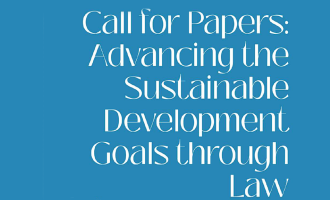
- Call for Papers: Advancing the Sustainable Development Goals through Law: Submit by May 20
- करिश्मा कपूर के बच्चों की बड़ी जीत हाईकोर्ट का सख्त रुख, फ्रीज किए गए बैंक अकाउंट्स
- पेंशन के लिए तरसते कैंसर पीड़ित बुजुर्ग: सुप्रीम कोर्ट का सख्त रुख, इलाहाबाद हाईकोर्ट को जल्द सुनवाई का आदेश
- सुनवाई से पहले गिरफ्तारी क्यों?... अग्रिम जमानत पर सुप्रीम कोर्ट में पवन खेड़ा की गुहार
- Pawan Khera to Apex Court: It was 'not necessary to humiliate him with arrest', SC reserves its judgment
- Sunjay Kapur Property Dispute: HC grants interim relief Karisma Kapoor's children, Priya Sachdev restrained from selling or transferring any assets
- JOB POST: Research Associates and Field Investigator at RGNUL Patiala [Project – Ability Empowerment; Contractual Basis]: Apply by April 30!
- इलाहाबादहाई कोर्ट के साथ दिक्कत क्या है, समझ से बाहर है; क्यों भड़क उठा सुप्रीम कोर्ट