Friday, 15, May, 2026
- HC says Right to Shared Household cannot become Weapon against Senior Citizens’ Property Rights
- A Relationship the Law cannot Bless: HC rules a Live-in arrangement cannot become a Judicial Workaround for a Marriage the Statute Forbids
- Route of vilification and intimidation adopted, HC initiates contempt proceedings Against Kejriwal
- SC to IIIT Allahabad: You cannot Advertise Permanence, deliver a Contract, and then hide behind Silence when asked to explain
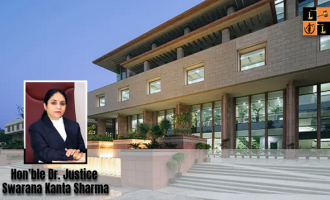
- मैं चुप नहीं रह सकती हूं… आबकारी मामले में जस्टिस स्वर्ण कांता शर्मा ने दी अवमानना कार्रवाई की चेतावनी
- मृतका पर मिले सीमेन से क्यों नहीं मिलाया आरोपी का डीएनए, डीसीपी को हाईकोर्ट ने किया तलब
- Delhi CM mandates Weekly Two-Day WFH Policy for its employees to curb Fuel Consumption
- सीसीटवी कैमरे लगे होना कागजी दावा या वास्तव? हाई कोर्ट ने चंडीगढ़ के थानों की जमीनी हकीकत मांगी
- सिर्फ पुलिस बयान से नहीं तय होगी सजा: हाईकोर्ट ने उम्रकैद के आरोपी को किया बरी”
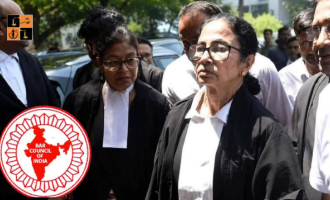
- BCI directs WB Bar Council to verify record of Mamata Banerjee's Enrollment & Practice History
- Shardul Amarchand Mangaldas & Co. Advises Crystal Crop Protection Limited on Acquisition of FMC India Private Limited
- SC: Arbitrator committed ‘Patent Illegality’ relying on Single Sale deed of Dissimilar Land in awarding Compensation
- काला कोट, सफेद साड़ी...वकील के लिबास में हाई कोर्ट पहुंचीं ममता बनर्जी; क्या है मामला?
- Cyril Amarchand Mangaldas acted as legal counsel for Temasek in its Pre-IPO investment of INR 482 Crores in Milky Mist Dairy Food Limited
- No Commission on artificial conversion of Outright Sale; HC decodes TDS Liability of discount retained by distributors on sale of Lottery Tickets