Monday, 20, Apr, 2026
- HC expounds: Treating Prior payments as Permanent Alimony does not itself, extinguish a subsisting maintenance order under Section 125 of CrPC
- हाईकोर्ट ने हाईटेंशन लाइन से प्रभावित किसानों को मुआवजा देने का दिया आदेश
- पासपोर्ट विवाद में घिरे पवन खेड़ा, अग्रिम जमानत की मांग लेकर पहुंचे हाई कोर्ट
- JOB POST: Research Associate at NLU Delhi for ICSSR-funded Research Project [Contractual; 6 Months; Salary Upto Rs. 47k]: Apply by April 30
- Call for Blogs by Lexi [No Charges]: Submission on Rolling Basis!
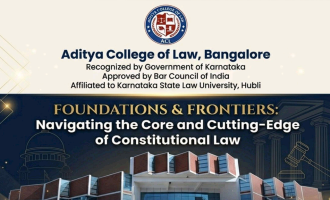
- National Weekly Seminar Series on Law titled Foundations & Frontiers by Aditya College of Law, Bangalore [Online; May 2 – 23; Every Sat; Free]: Register Now!
- Virtual Legal Internship Opportunity by Imperial Institute of Legal Studies (IILS) [May 2026]: Apply Now!
- हाईकोर्ट पहुंचा BBMB अस्पताल तलवाड़ा का मुद्दा; केंद्र-राज्य सरकारों से मांगा जबाव
- CJI सूर्यकांत का बंगाल में 'हंटर': हाईकोर्ट से आज ही मांगी रिपोर्ट, क्या लाखों लोग नहीं दे पाएंगे वोट?
- [Shocking] Delhi HC Advocate dies after allegedly jumping from 15th Floor of 5 Star Hotel in New Delhi
- 'आप एक अनपढ़ आदमी हैं,' हाई कोर्ट ने जिला कलेक्टर को क्यों लगाई फटकार? भारी पड़ी जनहित याचिका
- [Bizarre] SC terms PIL Petitioner 'incorrigible' for filing plea to declare Netaji Subhas Chandra Bose as 'National Son', bans him from filing PIL
- 'पढ़े-लिखे भी बन रहे शिकार': डिजिटल अरेस्ट पर CJI सूर्यकांत ने जताई चिंता, RBI समेत बैंकों को दिए सख्त आदेश
- Excise Policy Case: Justice Swarana Kanta Sharma to pronounce verdict on recusal pleas at 5:30 PM today
- दिल्ली में MCD ने कमर्शियल गाड़ियों पर बढ़ाया एंट्री शुल्क, सुप्रीम कोर्ट के आदेश पर किया लागू