Friday, 22, May, 2026
- HC summons Kejriwal, Sisodia & Five AAP Leaders in Contempt Case linked to CBI Judgment
- SC Modifies Earlier Order against Academicians linked to controversial Judiciary Chapter
- HC questions WFI Move declaring Vinesh Phogat ineligible ahead of Asian Games Trials
- बच्चों की फीस के लिए हाई कोर्ट पहुंचीं प्रिया कपूर, संजय कपूर के EPF खाते से निकासी की मांगी इजाजत
- ‘May I Retire with Dignity’: SC Examines Judicial Officer’s plea against Gujarat HC Remarks and Suspension
- ट्विशा शर्मा डेथ केस में आरोपी समर्थ सिंह को जेल या बेल! हाईकोर्ट आज सुनाएगा फैसला
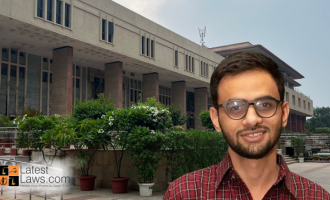
- दिल्ली दंगा मामला: उमर खालिद को हाईकोर्ट से राहत, मां की सर्जरी के लिए तीन दिन की अंतरिम जमानत मिली
- Delhi Riots Case: Umar Khalid secures Three-Day Interim Bail from HC
- नाबालिग दुष्कर्म पीड़िता के गर्भपात की इजाजत देने से हाई कोर्ट का इन्कार, कहा- जान को खतरे में नहीं डाल सकते
- आपराधिक छवि वालों को शस्त्र लाइसेंस देने की नीति पर सरकार करे पुनर्विचार: हाई कोर्ट
- गजब! शराब की बोतल लेकर हाईकोर्ट पहुंचा हत्या का आरोपी, जज साहब का चढ़ गया पारा
- Can students be asked to adapt to New Language Requirements before Class 10 Boards? SC to Examine
- सरकारी पैनलों में महिला वकीलों को 30% आरक्षण की मांग, सुप्रीम कोर्ट ने केंद्र-राज्यों से मांगा जवाब
- How to Discharge the Burden of Proving a Cheque Bounce Case, HC Explains
- जज स्वर्ण कांता शर्मा की अवमानना पर राजदीपा बेहुरा लड़ेंगी केजरीवाल का केस, होंगी न्याय मित्र