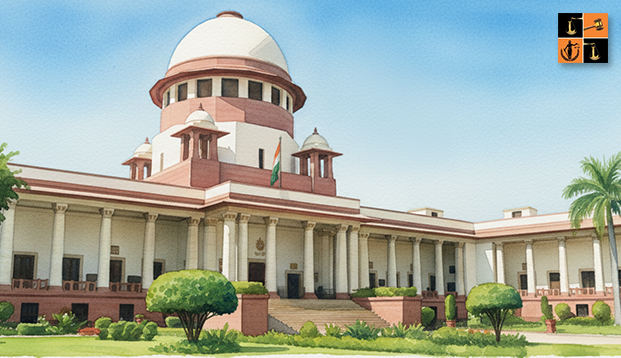
Recently, the Supreme Court while hearing matters concerning implementation of the Solid Waste Management Rules, 2026, passed extensive directions to strengthen waste management mechanisms across the country. The Court emphasized environmental protection, accountability of local bodies, and effective implementation of statutory obligations under the Environment (Protection) Act, 1986.
Brief Facts
The matter arose in appeals concerning compliance and implementation of the Solid Waste Management (SWM) Rules, 2026. During the hearing, Secretaries from various Union Ministries and Chief Secretaries of States and Union Territories participated before the Court. The Court examined issues relating to improper waste management, administrative inefficiencies, lack of manpower, financial constraints, legacy waste, unauthorized dumping, and poor implementation of environmental regulations by local authorities.
Contentions of Appellant
The counsel for the Appellant highlighted the practical difficulties faced in implementing the SWM Rules, including administrative delays, shortage of manpower, financial limitations, and infrastructural deficiencies. It was also pointed out that local bodies required greater institutional support, streamlined approvals, and additional funding mechanisms for effective waste management projects.
Contentions of Respondent
The counsel for the Respondent stressed the urgent need for strict enforcement of environmental obligations and effective implementation of the SWM Rules, 2026. It was contended that continued non-compliance by local bodies and waste generators was causing serious environmental degradation and public harm, necessitating coordinated action by the Union, States, Pollution Control Boards, and local authorities.
Observation of the Court
The Court made significant observations on environmental protection and implementation of the SWM Rules, 2026. The Bench observed, “This Earth and this Nation are what we all have in common” and emphasized that authorities must work towards “preserving this planet and this Nation from man-made destruction.” The Court further stated that the statutory framework under the Environment (Protection) Act, 1986, should become “the change for the progress and well-being of the Indian citizens.”
The Court observed that all stakeholders must ensure compliance with waste management laws and noted that the administration should prevent environmental pollution “contrary to the law’s mandate.” It further warned that if proper implementation was not achieved, the Court may strengthen the administrative framework before declaring “the inbuilt incompetency in the administrative set-up to handle the solid waste generated by human activity.”
Decision of the Court
The Court directed nationwide implementation and monitoring of the SWM Rules, 2026, by empowering District Collectors and constituting Special Cells for supervision and enforcement. Various directions were also issued to States, local bodies, and Union Ministries regarding waste management, monitoring, compliance reporting, and infrastructure improvement. The matter was listed for further monitoring on 25.05.2026.
Case Title: Bhopal Municipal Corporation v. Dr Subhash C. Pandey & Ors.
Case No.: Civil Appeal No. 6174/2023
Coram: Hon’ble Mr. Justice Pankaj Mithal and Hon’ble Mr. Justice S. V. N. Bhatti
Advocate for the Appellant: Ms. Vanshaja Shukla, AOR
Advocate for the Respondent: Mrs. Aishwarya Bhati, ASG along with appearing counsels
Read Judgment @Latestlaws.com