









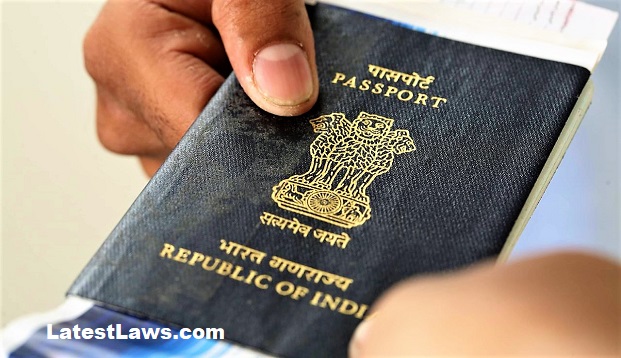
The Delhi High Court has ruled that the right to hold a passport and travel abroad is a core component of personal liberty under Article 21, striking down the Centre’s decision to impound the passport of Yogesh Raheja, former director of Raheja Developers. The Court held that curtailing this right without due process, especially when no criminal court has taken cognisance of the alleged offence, cannot stand judicial scrutiny.
The dispute arose after authorities impounded Raheja’s passport in January 2025, alleging that he failed to disclose a pending 2018 FIR while seeking renewal. His appeal was rejected in March 2025, prompting him to move the High Court. He argued that mere registration of an FIR does not amount to “pending criminal proceedings” under Sections 6 and 10 of the Passports Act, 1967, which empower authorities to refuse or revoke a passport only when proceedings are pending before a criminal court. Crucially, the trial court had not taken cognisance of the FIR at the time the passport was impounded.
Justice Purushaindra Kumar Kaurav underscored that the right to travel abroad flows directly from Article 21 and cannot be curtailed mechanically. The Court observed, “The right to hold a passport and to travel abroad is an integral facet of the right to personal liberty guaranteed under Article 21 of the Constitution of India.”
Relying on the Supreme Court’s ruling in Mahesh Kumar Agarwal v. Union of India, the Bench noted that even where cognisance has been taken, refusal of a passport is not automatic. In the present case, since cognisance had not been taken at all, the impounding order lacked legal foundation. The Court consequently quashed the orders dated January 17 and March 25, 2025.
Disclaimer: This news/ article includes information received via a syndicated news feed. The original rights remain with the respective publisher.
Picture Source :




















