









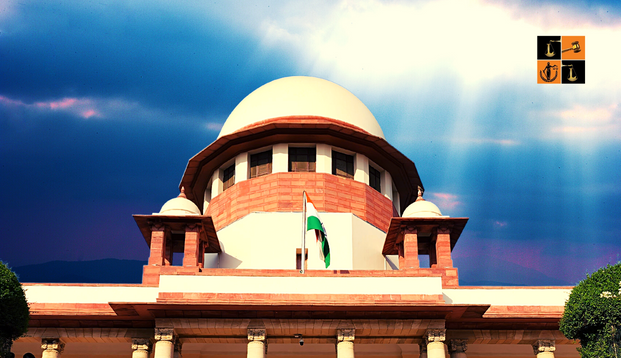
In a thought-provoking session, the Supreme Court of India engaged in a discussion regarding the practice of law by convicts, emphasizing the nobility of the legal profession. The matter arose during a hearing related to the remission of the sentence for one of the convicts in the Bilkis Bano gang rape and murder case, which occurred during the 2002 Gujarat riots.
Justice Ujjal Bhuyan expressed his surprise about the situation where one of the convicts, Radheshyam Shah, was found to be practising law as a motor vehicle accident claims lawyer even after his conviction. The court questioned whether a convicted individual should be granted a license to practice law.
During the proceedings, senior advocate Rishi Malhotra, representing Shah, highlighted his client's conduct while in jail, stating that Shah had participated in reform and correctional programs, obtained a Master's degree, and even worked as a para-legal volunteer to assist prisoners seeking legal aid. Malhotra emphasized that the objective of punishment is not solely vengeance but also reform and rehabilitation.
However, the court focused on the ethical dimension of allowing a convict to practice law, given the profession's stature. Justice Bhuyan remarked, "Law is supposed to be a noble profession." He raised questions about whether a convicted individual should be granted the privilege to practice law even after the conviction.
The debate also touched upon the Advocates Act, which states that individuals convicted of offences involving moral turpitude cannot be enrolled as advocates, although the disqualification ceases after a period of two years post-release. Shah's lawyer argued that he had completed his sentence, and the remission was granted after evaluating his conduct and recommendations from various authorities.
The Supreme Court's discussion on the matter comes in the context of multiple appeals challenging the decision of the Gujarat government to grant remission to the 11 convicts who were sentenced to life imprisonment for the heinous crimes committed during the 2002 Gujarat riots. These cases have raised complex legal and ethical questions, prompting the court to explore the boundaries and implications of allowing convicted individuals to practice law.
Source: Link
Picture Source :




















