









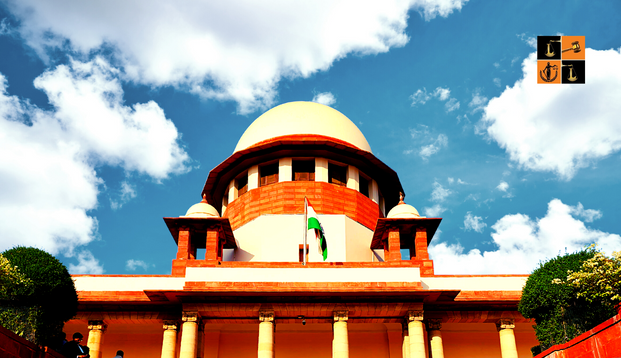
The Supreme Court of India has strongly criticized the growing practice of converting civil disputes into criminal cases, describing it as "rampant" in several states. A bench led by Chief Justice Sanjiv Khanna and Justice Sanjay Kumar made these remarks while hearing a petition seeking the quashing of criminal charges against Rikhab Birani, related to alleged misconduct in the transfer of a property sale deed.
During the proceedings, the Court observed that the trend of transforming civil matters into criminal issues was not only misleading but also detrimental to the legal system. Chief Justice Khanna emphasized, "This is again one of those cases where a civil case is converted into a criminal one and this has to be checked very strongly. Please advise your clients otherwise your case may not become barred by limitation also. This is happening in quite some states and it is wrong. It's a wrong practice… In fact, it is not happening, it is rampant in some states."
The case in question involves an allegation where the complainant claims that the petitioner, under false pretenses, induced him to transfer a sum of Rs. 19 lakhs, promising the execution of a sale deed that never materialized. However, the petitioner’s counsel pointed out that no civil suit had been filed in the matter, and the dispute was instead brought to the criminal courts. The Court noted that such wrongful conversions of civil matters into criminal cases not only distort the intent of criminal law but also burden the judiciary with cases that could otherwise be resolved through civil remedies.
The Court highlighted the negative impact of such wrongful conversions, which not only misapply criminal law but also overload the judicial system with cases better suited for civil litigation. The bench reiterated the importance of addressing such practices to preserve the integrity of the judicial process.
The Allahabad High Court had previously refused to quash the charges under Section 482 of the CrPC, stating that "at this stage, it cannot be said that no offence was made out against the petitioner.” In response, the Supreme Court had stayed the criminal trial earlier, noting that the complainant had breached the contract by failing to make the required payment, which negated the need for criminal prosecution.
In the latest hearing, the bench extended the interim stay on the trial, granting three weeks for the complainant to file a counter. The Court also ordered that the complainant be served notice within four weeks by the Station House Officer of the relevant police station. The matter is now set to be heard in March 2025.
Picture Source :




















