









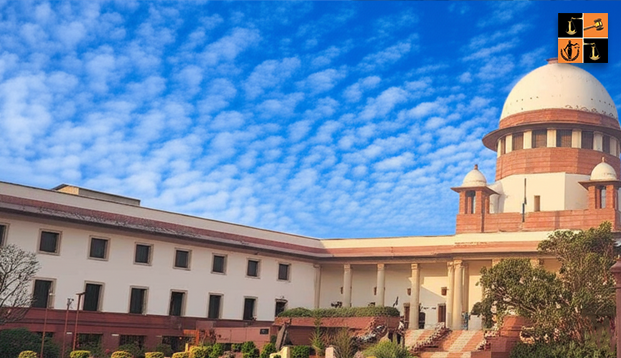
The Supreme Court expressed disapproval over a journalist’s use of YouTube to allegedly defame a prominent woman political figure, observing that criminal convictions cannot be substituted by online content. The Court made these remarks while hearing a plea for anticipatory bail filed by the journalist in question. It further extended the interim protection granted to him.
The case concerns Kerala-based journalist Nandakumar T.P., who runs a YouTube channel titled Crime Online. He was booked by the Kerala Police under various provisions of the Bharatiya Nyaya Sanhita, including offences related to outraging a woman's modesty, issuing threats, and deliberately intending to damage reputation. In addition, Section 67 of the Information Technology Act was also invoked against him, which criminalizes the electronic publication or transmission of obscene material.
According to the prosecution, a video uploaded by the journalist on his channel allegedly featured objectionable and derogatory content targeting a well-known female politician. The material, it was claimed, carried sexually suggestive language and was intended to malign her public image and cause psychological intimidation.
The counsel appearing for the State contended that the video was part of a pattern of conduct wherein the journalist had repeatedly misused digital platforms to disseminate defamatory content under the guise of investigative journalism. The State further informed the Court that the Kerala High Court had already refused to grant him anticipatory bail and directed his surrender.
During the hearing, the Bench comprising Justice B.V. Nagarathna and Justice K.V. Viswanathan made strong oral observations. Addressing the petitioner’s actions, the Court remarked, “You want to convict people based on your YouTube videos? Conviction or acquittal doesn't happen based on a YouTube video. Courts do that.” The Bench advised the journalist to focus on constructive content, further stating, “Say some nice things on YouTube. Why do you put this crime online, etc.? Something nice happening in Kerala, God's own country, speak about that.”
After considering the submissions, the Apex Court decided to extend the interim protection previously granted to the journalist, thereby safeguarding him from immediate arrest. However, the matter remains under consideration as the Court has not yet issued a final ruling on his anticipatory bail plea.
Picture Source :



















