









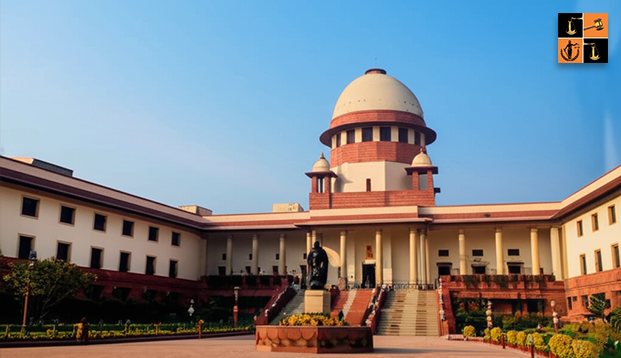
The Supreme Court Advocates-on-Record Association (SCAORA) has formally urged the Chief Justice of India, Hon’ble Mr. Justice B.R. Gavai, to issue immediate institutional guidelines to curb the growing trend of advocates creating and sharing promotional video content—such as reels—within the premises of the Supreme Court, including in restricted and high-security zones.
The communication, dated July 25, was issued pursuant to an internal resolution adopted by the Association and was signed by SCAORA President Mr. Vipin Nair and Honorary Secretary Mr. Nikhil Jain.
SCAORA expressed serious concern over the "alarming rise" in videography, filming of reels, and related content creation by advocates within the Court premises, with such videos frequently being uploaded on social media platforms including Instagram, YouTube, Facebook, and X (formerly Twitter).
"Many of these videos... end up promoting the individuals concerned by displaying their contact details or conveying messages amounting to impermissible solicitation, which is expressly prohibited under the Bar Council of India Rules," the Association noted.
While some videos may be presented under the guise of public awareness, SCAORA emphasized that the underlying intent often appears to be self-promotion, constituting a violation of professional ethics and Bar Council regulations.
"Such activities not only diminish the dignity and decorum of the legal profession but also risk eroding public trust in the legal system," the letter stated.
The Association further underscored the seriousness of the issue, especially when Advocates-on-Record (AoRs)—who bear heightened professional responsibilities—engage in such conduct. It also raised concerns about the misuse of short clips from live-streamed proceedings, cautioning that these can be misrepresented, taken out of context, or used to spread misinformation, thereby undermining the sanctity of judicial proceedings.
“Hon’ble Judges of the Supreme Court have repeatedly expressed apprehensions about misuse of such short video clips, especially when taken out of context, which can lead to misinformation and sensationalism,” the letter added.
In light of these developments, SCAORA made the following key requests to the Chief Justice:
- Impose a complete prohibition on videography, photography, and content creation for social media within Supreme Court premises—especially in high-security areas—except where explicitly permitted under official court protocols;
- Reiterate the ban on legal solicitation, direct or indirect, through public platforms in accordance with Bar Council rules;
- Restrict the uploading or dissemination of courtroom proceedings or livestream footage outside official channels of the Supreme Court;
- Ensure disciplinary action against violators, with specific accountability mechanisms for Advocates-on-Record.
Along with the letter to the CJI, a separate representation—also dated July 25—was submitted to the Supreme Court Bar Association (SCBA) and SCAORA’s Executive Committee. Signed by at least 42 members of the Bar, the representation echoed similar concerns and urged proactive internal regulatory steps to safeguard professional integrity.
The signatories warned that such conduct—especially when undertaken by AoRs—sets a problematic precedent and can damage the credibility of the legal profession. The communication was also marked to the Bar Council of India and the Bar Council of Delhi for their attention and necessary action.
Picture Source :




















