









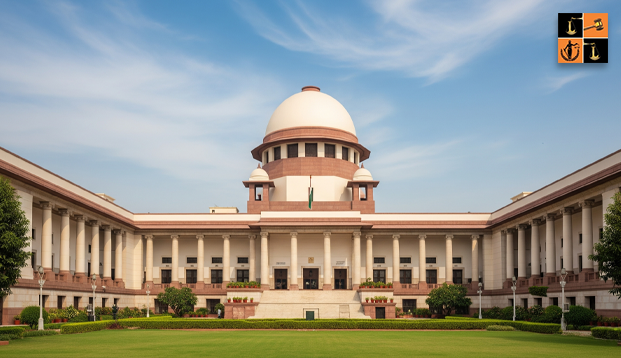
On Thursday, the Supreme Court addressed pressing concerns over the working conditions of Booth Level Officers (BLOs) involved in the Special Intensive Revision (SIR) of electoral rolls. The Court highlighted the human and operational dimensions of the process, directing states to take proactive measures to reduce undue pressure on ground-level officials while maintaining the integrity and timelines of the voter-list exercise.
The case arose from a plea filed by actor Vijay’s party, Tamilaga Vetri Kazhagam (TVK), raising alarm over excessive work pressure on BLOs during the ongoing SIR exercise. The petition highlighted instances of undue coercion, including FIRs filed under Section 32 of the Representation of the People Act for alleged lapses in duties, and tragic instances of suicide reportedly linked to work stress. BLOs, often teachers or anganwadi workers, were tasked with completing the revision within stringent timelines, sometimes outside regular working hours.
The Petitioners contended that BLOs were overburdened with both their routine responsibilities and additional SIR duties, with insufficient manpower to complete the tasks efficiently. They sought directives restraining the Election Commission from initiating criminal proceedings against BLOs and recommended deployment of additional personnel to alleviate workload and ensure humane treatment of officials.
The Election Commission submitted that criminal proceedings under Section 32 of the Representation of the People Act were initiated only when officials displayed reluctance or failed to perform duties. It noted that extensions had already been granted for the SIR exercise in nine states and three Union territories, and the timelines were necessary to maintain electoral accuracy and integrity. The EC also emphasised that the ongoing process covered over 51 crore electors across multiple states and union territories.
The Apex Court acknowledged the hardships faced by BLOs and emphasised that states must intervene to mitigate such pressures. It directed, "The states may consider the desirability of deputing additional staff at the disposal of the EC, so that the working hours can be proportionately reduced." The Bench clarified that exemptions could be granted on a case-by-case basis where employees face genuine difficulties, but such relief must not result in leaving assigned duties unattended.
The Court further stressed, "It shall not be construed or understood as if they can withdraw the employees who have been assigned the duty if their substitutes are not provided," and added that states "shall be obligated to deploy the requisite workforce at the disposal of the EC, though the strength of such employees can be increased as explained above."
The Court disposed of the plea while affirming the responsibility of state governments to ensure adequate staffing for SIR duties and protect BLOs from undue pressure. Other claims, including requests for ex-gratia compensation for deceased officials, were held open for future consideration.
Source Link
Picture Source :




















