









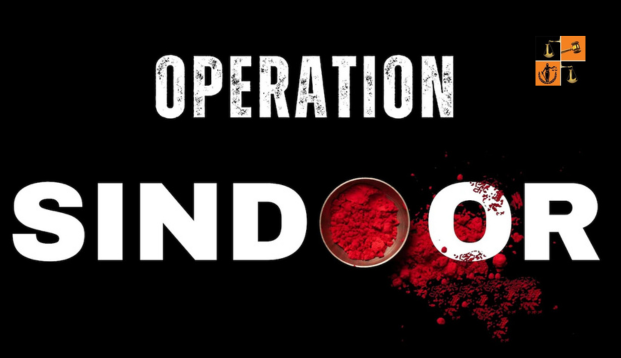
The Supreme Court was approached through a Public Interest Litigation (PIL) seeking to restrain authorities from registering trademark applications for the term ‘Operation Sindoor’, the designation of a cross-border military response by India. The petitioner urged the Court to prevent commercial entities from securing legal monopolies over terms symbolising national sacrifice and public grief. It was emphasised that such registration would be contrary to the public interest and undermine the collective dignity associated with military valour.
The case emerges against the backdrop of numerous trademark applications filed immediately after the Indian military announced its retaliatory operation in Pahalgam. Notably, Reliance Industries Ltd. was the first to submit a trademark application for “Operation Sindoor,” followed within 24 hours by filings from Mukesh Chetram Agrawal, retired Group Captain Kamal Singh Oberh, and Advocate Alok Kothari. These applications fall under Class 41 of the Nice Classification, which pertains to education, entertainment, cultural, and media services. All applications stated that the mark was “proposed to be used.”
Following public criticism, Reliance Industries Ltd. issued a formal statement clarifying its position, noting that the application was filed without senior-level authorisation and has since been withdrawn by Jio Studios, a Reliance subsidiary. The company described the move as an inadvertent error by a junior staff member. Reliance reaffirmed its unequivocal support for India’s armed forces, describing Operation Sindoor as a symbol of national pride in response to a terrorist attack. It further stated that the phrase now belongs to the national consciousness and reiterated its unwavering commitment to the nation’s interests.
Despite Reliance’s withdrawal, 11 other applications seeking exclusive rights to the mark remain pending before the Trademark Registry, drawing criticism for attempting to commercialise a term so closely associated with collective mourning and national integrity.
In response, Advocate Dev Ashish Dubey, a Delhi-based lawyer, moved the Supreme Court through Advocate Om Prakash Parihar, seeking judicial intervention. The petitioner argued that such trademark attempts violate Sections 9(2) and 11 of the Trade Marks Act, 1999, which empower the Registrar to reject marks that are offensive, deceptive, or contrary to public order and morality. Specifically, Section 9 prohibits trademarks that may hurt religious or national sentiments or lack inherent distinctiveness. Section 11 bars registration of marks that falsely imply government or military affiliation.
The petition underscores that, although the Ministry of Defence does not routinely protect names of military operations, this gap in legal regulation does not give license for private parties to commercialise emotionally significant national symbols. The petitioner warned that permitting such registration would set a dangerous precedent of commodifying military valour and distorting public memory for commercial advantage.
The plea refers to the origins of Operation Sindoor as a counter-terror mission launched in the wake of attacks on Indian civilians in Pahalgam, asserting that the name carries profound cultural and emotional value, particularly for families of slain soldiers. The symbolic association with “sindoor,” a traditional marital emblem, was cited as further evidence of its emotive resonance and inappropriateness for private commercial claims.
The petitioner observed, “The phrase ‘Operation Sindoor’ encapsulates a solemn chapter of our national resolve and cannot be owned or diluted by commercial interests.”
While the Court has not yet delivered its ruling, the PIL raises broader questions concerning the ethical limitations of intellectual property rights, particularly where public sentiment, military honour, and commercial objectives intersect. The outcome is expected to shape future jurisprudence on the legal protection of national symbols.
Picture Source :




















