









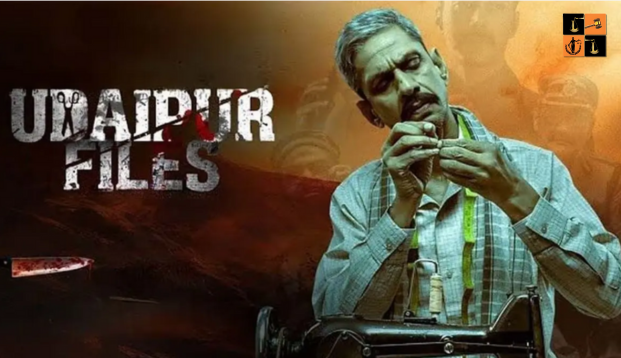
In a writ petition invoking Article 32 of the Constitution, an accused in the 2022 Kanhaiya Lal murder case has approached the Supreme Court seeking a stay on the release of the upcoming film “Udaipur Files: Kanhaiya Lal Tailor Murder”, asserting that its public exhibition would imperil his right to a fair trial.
The petitioner, Mohammed Javed, named as the eighth accused in the ongoing trial, has sought judicial intervention to restrain the release of the film, presently scheduled for July 11. The petitioner is facing prosecution under various provisions of the Indian Penal Code and the Unlawful Activities (Prevention) Act, following an investigation by the National Investigation Agency. The trial is currently pending before the Special NIA Court in Jaipur.
The case pertains to the murder of Kanhaiya Lal Teli, a tailor based in Udaipur, who was allegedly killed in June 2022 by Mohammad Riyaz and Mohammad Ghous. The act was later publicised by the accused through a video claiming the killing was retribution for Lal’s social media post in support of Nupur Sharma, whose remarks on the Prophet had earlier sparked controversy.
Also Read: Communal harmony at risk: Plea in Delhi HC seeks ban on ‘Udaipur Files’ for spreading hate
The petitioner submitted that the release of Udaipur Files, purportedly based on the said incident, would subvert the presumption of innocence afforded to him as an undertrial, and exert undue influence over public perception at a time when the judicial process is still underway.
The plea described the trailer and promotional material of the film as “communal and prejudicial,” and contended that the content may "compromise the presumption of innocence and risks influencing public opinion in a manner that could affect the fairness of the trial.”
Citing Section 6 of the Cinematograph Act, 1952, which enables the Central Government to exercise revisional powers to revoke certification granted to a film in the public interest, the petitioner urged that such statutory discretion be invoked in the present case.
The petition argued, “The storyline, filled with emotionally charged depictions, risks interfering with the judicial process and adversely affect the accused persons' right to a fair and impartial trial, a right that is granted under Article 21 of the Constitution of India.” It further claimed that the film’s exhibition may incite communal discord.
Separately, the Jamiat Ulema-i-Hind has also approached the Delhi High Court seeking a ban on the film’s release, alleging that its content is communally provocative.
Picture Source :




















