









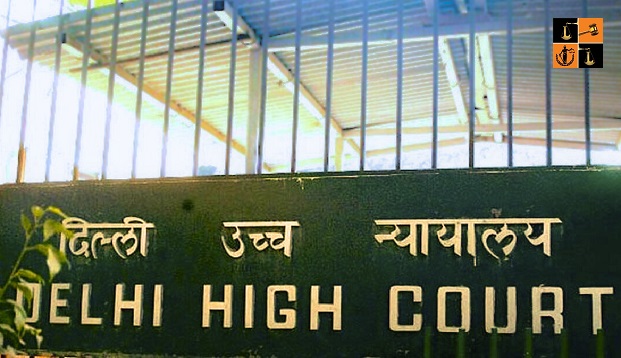
Recently, the Delhi High Court was approached over allegations that an accused, after being released on bail, celebrated his release on social media through videos and status updates, allegedly creating fear and issuing indirect threats in the locality. The petition sought cancellation of his bail on the ground that such conduct amounted to intimidation and misuse of liberty.
The case arose from an FIR registered under Sections 436, 457, 380, and 34 of the IPC at the Narela Industrial Area Police Station. The complainant claimed that the accused and his associates brandished weapons, spread panic in the neighbourhood, and shared celebratory content online. It was also alleged that a co-accused was seen near the complainant’s residence, further heightening apprehension.
The defence, however, denied these allegations, arguing that no formal complaint had been filed after the bail order and that the screenshots relied upon lacked authenticity or proof of intimidation.
Justice Ravinder Dudeja examined the material placed on record and discussed the distinction between rejection of bail and cancellation of bail, observing that revocation requires “very cogent and overwhelming circumstances,” such as interference with justice, evasion of legal process, or abuse of liberty. The Court assessed whether the alleged social media posts and conduct met this threshold before reaching its conclusion.
Disclaimer: This news/ article includes information received via a syndicated news feed. The original rights remain with the respective publisher.
Picture Source :



















