









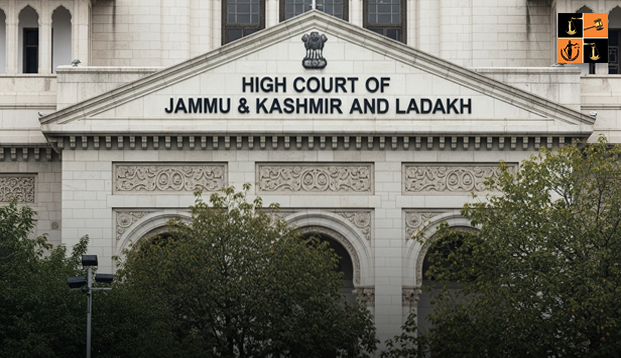
Recently, the Jammu & Kashmir High Court examined a petition arising from a village pathway dispute in Kupwara, where allegations of encroachment and concealment of crucial facts placed the conduct of the petitioners under judicial scrutiny. The matter highlighted serious concerns about parallel proceedings and misuse of writ jurisdiction.
The case arose from an application moved before the Deputy Commissioner, Kupwara, seeking removal of an obstruction allegedly placed over a public link road built under a Rural Development Department scheme. Reports from local revenue and Panchayat officials stated that the petitioners had blocked the pathway, prompting the Deputy Commissioner to order a spot inspection and necessary action. A revenue team later removed the obstruction. The Petitioners then challenged the Deputy Commissioner’s order before the Additional Commissioner and subsequently before the Financial Commissioner, but both authorities upheld the action.
Meanwhile, a civil suit concerning the same pathway was already pending before the Munsiff Court, where an interim order under Order 39 Rules 1 & 2 CPC,1908 had restrained any interference with the pathway. This order was not disclosed in the writ petition, despite being known to the petitioners.
The Petitioners argued that the area in question formed part of their proprietary land and that the authorities had acted on incorrect records. They asserted that the revenue officers lacked basis for their conclusions and that the orders passed by the Deputy Commissioner, Additional Commissioner and Financial Commissioner were erroneous.
The Respondents countered that the road had been lawfully constructed as a public pathway and was obstructed without justification. They stressed that the civil court had already restrained the petitioners from interfering with the pathway, making the writ petition unsustainable and an instance of misuse of Article 226 of the Constitution jurisdiction due to suppression of material facts.
The High Court noted that once the civil court had taken cognizance and passed a restraint order under Order 39 Rule 4 CPC, the Petitioners were obligated to disclose this in the writ petition and pursue remedies before the proper appellate forum. Their failure to do so, while simultaneously challenging revenue orders, amounted to forum shopping and parallel litigation.
The Court reaffirmed that civil courts have primacy in disputes involving title, possession, or civil rights over immovable property, and revenue authorities should refrain from adjudicating when such disputes are already before a competent civil court.
Relying on Prestige Lights Ltd. v. State Bank of India and its own earlier ruling in Abdul Rashid Khan v. UT of J&K, the Court held that suppression of material facts constitutes an abuse of process and disentitles a litigant from equitable relief under Article 226 of the Constitution.
The High Court dismissed the writ petition, imposed a cost of Rs.50,000 for deliberate suppression of facts, and clarified that remedies must be pursued before the civil court where the dispute is already pending. It further directed that the civil court proceed independently, without being influenced by observations made in the writ proceedings.
Case Title: Farooq Ahmed Sheikh Vs Financial Commissioner Revenue
Case No.: WP(C) No. 3035/2025
Coram: Hon’ble Mr Justice Wasim Sadiq Nargal
Counsel for the Petitioner: Sr. Adv. R. A. Jan, Adv. Syed Yahya
Counsel for the Respondent: GA Faheem Nissar Shah, Adv. Sheikh Manzoor, Adv. Ruaani Ahmad Baba
Read Judgement @LatestLaws.com
Picture Source :




















