









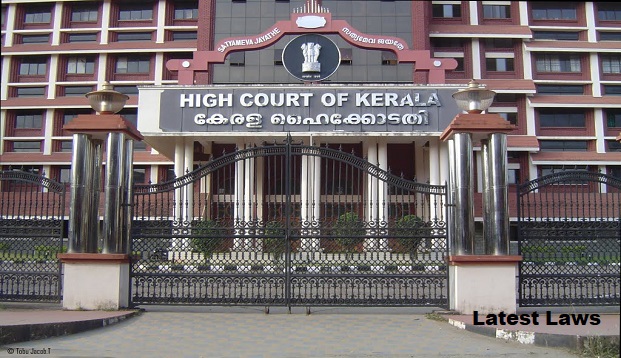
The Kerala High court while considering a revision petition held that charges of both murder and abetment to suicide cannot be framed simultaneously. The court remarked “Charges under both sections cannot co-exist. But, charge in the alternative can be framed against an accused of offences punishable under Sections 302 and 306 I.P.C.”
Facts
The wife of the petitioner was found hanging after which she was taken to the hospital where she was declared dead. The autopsy report of the deceased showed that she was beaten before her was found hanging and her death was caused by the combined effect of internal bleeding due to the beating and constriction force on the neck. After completing the investigation, the police filed the charge sheet against the petition under sections 498-A, 302 and 306 of IPC and charges were framed for the offences by the trial court. The petitioner/accused challenged the charges under section 302 of the IPC and filed the revision petition.
Court’s Findings
The single-judge bench of Justice R Narayana Pisharadi observed that the charges framed against the petitioner by the trial court were not sustainable. The court remarked that the death can be accidental, suicidal or homicidal, while section 306 IPC for abetment of suicide presupposes a suicide on the other hand section 302 IPC deals with murder which presumes an intention to kill.
The court dictated “Section 306 of the IPC envisages suicidal death and it undisputedly excludes homicidal death. Charges under both sections cannot co-exist. But, charge in the alternative can be framed against an accused of offences punishable under Sections 302 and 306 I.P.C”
Thus, the court set aside the charges framed by the trial court and directed the trial court to hear the submissions of the accused and prosecution and again the frame charges against the accused if any, disclosed by prosecution’s material.
Read Order @Latestlaws.com
Picture Source :




















