









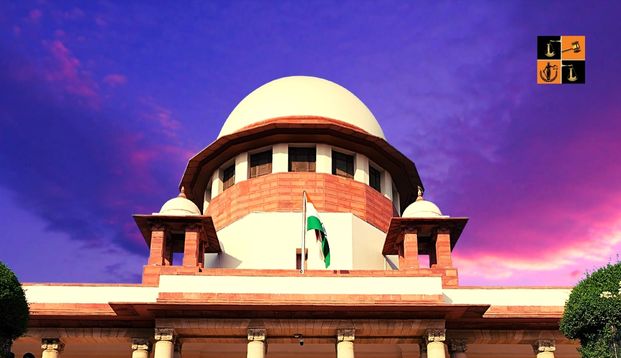
The Supreme Court expressed serious concern over the non-implementation of over 8.82 lakh Civil Court verdicts across India, describing the situation as “highly disappointing” and “alarming.” The bench of Justice J. B. Pardiwala and Justice Pankaj Mithal was reviewing compliance with its March 6 directive, which required all high courts to ensure that execution petitions in civil matters are disposed of within six months. The Court observed that delays in executing decrees “make no sense and would be nothing short of a travesty of justice,” emphasizing the need for accountability of presiding officers.
The issue arose from longstanding delays in civil dispute resolutions, including a land dispute dating back to 1980 in Tamil Nadu. The dispute involved a sale agreement between the decree-holder and defendants, with multiple orders for execution and delivery of possession being repeatedly unimplemented. Execution petitions, filed by decree-holders to enforce civil court verdicts, remained pending for years, sometimes decades, prompting concerns over systemic inefficiency and failure to uphold the rule of law.
The Top Court highlighted that delays in execution petitions, sometimes extending three to four years, defeat the very purpose of civil decrees. It called upon high courts to establish clear procedures and issue administrative directives ensuring expeditious disposal of pending execution petitions. The bench also noted lapses by certain high courts, including the Karnataka High Court, for failing to furnish necessary data on the status of pending petitions.
The bench observed that over the last six months, only 3,38,685 execution petitions had been disposed of, leaving a significant backlog of 8,82,578 cases nationwide. The Court underscored that presiding officers must be held accountable for delays and emphasized systemic reforms to guide district judiciary in expeditious disposal. It stated, “As observed in our main judgment, after the decree is passed, if it is going to take years and years to execute the decree, then it makes no sense and would be nothing short of travesty of justice.”
The Court also instructed the Karnataka High Court’s Registrar General to provide an explanation for failing to submit the required data within two weeks and directed all high courts to furnish complete statistics regarding disposal and pendency of execution petitions by April 10, 2026.
The Apex Court reiterated its call for immediate and systematic action to ensure execution petitions are disposed of within six months. It reminded high courts that failure to comply will render presiding officers administratively accountable. The Court also emphasized that administrative directions or circulars should be issued to enforce timely execution, highlighting that repeated delays violate the essence of justice and compromise the rights of decree-holders.
Disclaimer: This news/ article includes information received via a syndicated news feed. The original rights remain with the respective publisher.
Picture Source :



















