









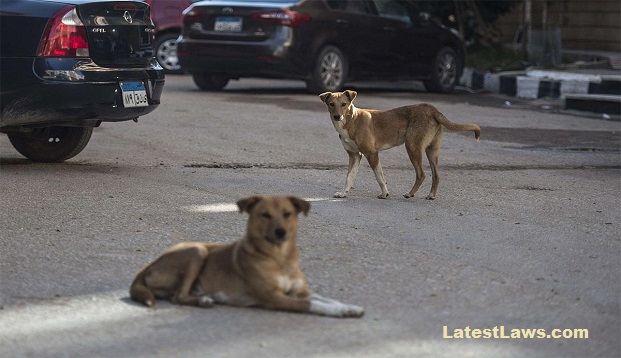
In a deeply empathetic yet urgent intervention on the issue of community dogs, the Delhi High Court has directed the Delhi government and concerned stakeholders to submit concrete suggestions for a comprehensive rehabilitation policy, observing that mere sterilisation is insufficient to address the prevailing human-animal conflict.
Justice Mini Pushkarna, while reviewing an action taken report filed by the Delhi government pursuant to the Court’s earlier order, expressed dissatisfaction with the continued reliance on sterilisation as the sole response. The Court had earlier called for a policy-level initiative to institutionalise the rehabilitation of community dogs across the city.
During the proceedings, the Court was informed that three meetings had been held since May in compliance with its direction, but officials flagged a significant hurdle, that establishing institutional shelters would require amendments to the Animal Birth Control (ABC) Rules, 2023. Meanwhile, the authorities maintained that sterilisation remained the only viable solution.
Justice Mini Pushkarna observed, while rejecting that position, that “Sterilisation isn’t working at all. It’s not the solution. Dogs are the most loved animal of the world and a great friend of humans. It should be ensured that dogs are protected and have to be given dignity.” She further emphasised that “Either dogs are at home, or shelter. Not on roads eating garbage. Humans and dogs both are suffering. Neither humans are safe, nor dogs.”
The Court was hearing a petition filed by Pratima Devi, an 80 years old woman who had challenged the Municipal Corporation of Delhi’s (MCD) demolition of her makeshift shelter in Saket, where she had been caring for over 200 dogs. In January 2023, the Court had granted interim relief, allowing her to cover the shelter with tarpaulin sheets pending further orders.
The Delhi government had also submitted an action plan formulated by the Animal Welfare Board of India (AWBI) for the 2025–2030 period, which estimated that sterilising the city’s approximately 8 lakh community dogs would take nearly eight years. The plan also proposed upgrading veterinary hospitals into sterilisation centres and supporting them through municipal or NGO funding.
In a related development, the MCD sub-committee on Monday discussed ramping up focused sterilisation drives, developing a dedicated shelter in Tehkhand, and introducing microchipping to track and manage the dog population.
Observing that several animal birth control centres are non-functional and 78 veterinary hospitals remain inoperative, the Court directed all stakeholders to file comprehensive suggestions by September 17, the next date of hearing. Emphasising that policy measures must move beyond mere administrative exercises, Justice Pushkarna stressed the need for a practical and compassionate approach that ensures dignity and protection for community dogs.
Picture Source :




















