









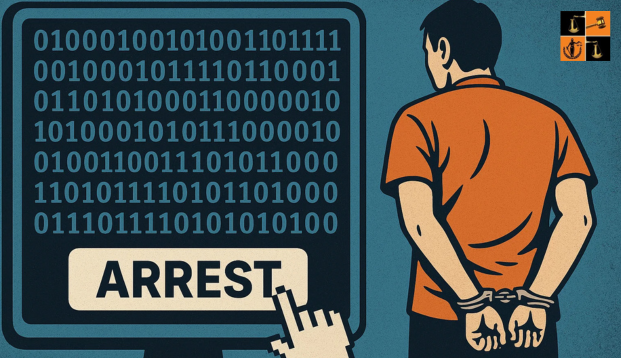
In a decisive institutional response to the surge of so-called “digital arrest” scams, the Supreme Court has been informed that the Union Ministry of Home Affairs has constituted a high-level inter-departmental committee to examine systemic lapses enabling such frauds and to fix accountability where victims suffer losses due to regulatory or service failures. The development follows the Court’s ongoing suo motu proceedings on cyber-enabled financial crimes, with authorities acknowledging that victims must not be left remediless in cases of institutional negligence.
The case stemmed from the Supreme Court’s suo motu intervention into incidents of “digital arrests”, a form of cyber fraud where victims are coerced into transferring money under the guise of fake law enforcement actions. In compliance with the Court’s directions, the Ministry of Home Affairs constituted a high-level committee chaired by the Special Secretary (Internal Security), bringing together senior officials from multiple ministries and regulatory bodies dealing with cybersecurity, telecommunications, banking, law enforcement, and financial regulation.
The committee has already commenced deliberations, with its first meeting held late last year, and is tasked with examining enforcement challenges, existing statutory mechanisms, and gaps in implementation, while also proposing corrective measures. The MHA has sought additional time from the Court to allow the committee to submit structured inputs, with the matter slated for further consideration shortly.
On behalf of the Authorities, the status report placed before the Court outlined coordinated steps being undertaken across departments to tackle digital fraud. Enforcement agencies highlighted the need for clearer jurisdictional thresholds for investigation, while financial regulators pointed to ongoing efforts to deploy technology-driven fraud detection tools and standard operating procedures for freezing suspicious bank accounts. The technology and telecom regulators flagged gaps in adjudication and compliance mechanisms under existing laws and draft rules, stressing the need to tighten controls relating to the issuance and misuse of SIM cards and digital infrastructure.
The Amicus, whose suggestions were considered by the committee, emphasised the necessity of victim-centric remedies. It was argued that compensation mechanisms must be strengthened so that individuals defrauded through systemic lapses are not forced into prolonged litigation, particularly where losses arise from regulatory non-compliance or service deficiencies by regulated entities.
A key outcome of the committee’s deliberations, as placed before the Court, was the recognition that institutional accountability cannot be avoided where regulatory or service failures contribute to financial loss. The committee agreed that “where loss to victims is attributable to negligence, deficiency of service or fraud on the part of banks, Telecom Service Providers or other regulated entities, accountability of such entities must be ensured”.
It was further noted that victims should not be made to bear the consequences of systemic breakdowns, and that compensation mechanisms must operate independently of other remedies available under law. Acting on this understanding, the Committee Chair directed sectoral regulators to examine existing systems and propose improvements to ensure effective implementation.
Recording the steps taken by the Ministry of Home Affairs and allied authorities, the Supreme Court granted time to enable the inter-departmental committee to continue its deliberations and place concrete recommendations on record. The matter is scheduled to be taken up on January 20, where the Court is expected to examine the proposed measures aimed at curbing digital arrest scams and ensuring institutional accountability for victim losses.
Disclaimer: This news/ article includes information received via a syndicated news feed. The original rights remain with the respective publisher.
Picture Source :



















