









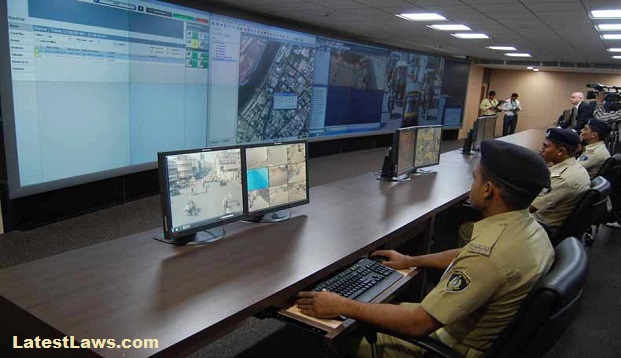
The Delhi Police has taken significant strides to combat the rising tide of cybercrimes by establishing 15 cyber police stations across each district in the national capital. This proactive measure aims to effectively address the evolving trends in cybercrimes that pose challenges to both law enforcement and cybersecurity.
Additionally, the Delhi Police has renamed its Cyber Crime Unit as the Intelligence Fusion & Strategic Operations (IFSO) Unit, further expanding its mandate to generate intelligence and conduct operations to counter new forms of cybercrimes.
Responding to a public interest litigation (PIL) that highlighted alleged shortcomings in the invocation of the provisions of the Information Technology (IT) Act while registering complaints related to cybercrimes, the Delhi Police outlined its initiatives to improve the situation. The PIL was filed by Ananya Kumar, a Ph.D. scholar focusing on cybercrimes against women.
One of the notable improvements includes the establishment of a 24/7 cybercrime reporting facilitation number, 1930, to enhance the accessibility of reporting cyber incidents. Moreover, a copy of the First Information Report (FIR) registered on any complaint or via the 1930 helpline is shared with the relevant financial entity within 24 hours. This facilitates prompt action such as blocking funds associated with cybercrimes. In addition, mobile numbers implicated in cybercrimes are forwarded to the Department of Telecommunications for blocking.
The Delhi Police has further collaborated with Truecaller to identify and flag fake phone numbers, giving verified badges to police personnel and verified government services.
The ministry also emphasized that the respective states and union territories hold the authority to create dedicated infrastructure and online visibility for the effective functioning of adjudicating officers appointed under the IT Act. By doing so, the local administrations can raise awareness about the roles and responsibilities of these officers.
To enhance public awareness, the Delhi Lieutenant Governor launched "Cyber UDAY 2.0" (Universal Direct Awareness in Youth) to educate students in schools and colleges about cybercrime prevention. Additionally, an e-book titled "Cyber Swachhta for Citizens" has been introduced to promote awareness through various social media platforms.
The Delhi High Court has considered this matter, with a division bench comprising Chief Justice Satish Chandra Sharma and Justice Sanjeev Narula, allowing the Delhi Government to submit an affidavit in response.
Picture Source :




















