









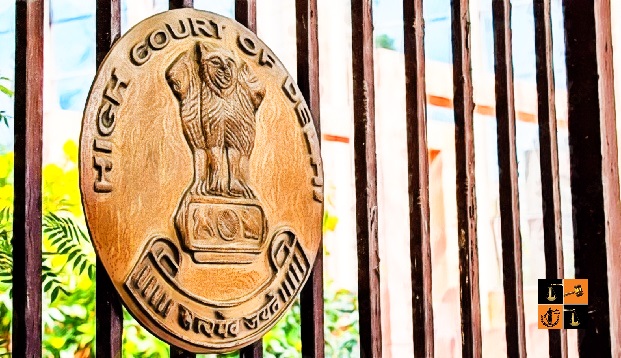
Recently, the Delhi High Court sought responses on a plea demanding a standalone website for Rouse Avenue Court, highlighting the lack of an independent platform despite its distinct status.
The petition, filed by advocate Abhinav Garg, contended that unlike other district courts in Delhi, Rouse Avenue Court does not have a separate website. The plea highlighted that while all other district courts maintain individual websites, the absence of a dedicated platform for Rouse Avenue Court results in operational inefficiencies. The petitioner asserted that litigants and advocates rely on digital platforms for case-related information, and the lack of an independent website leads to confusion.
The petitioner argued that the current Central District website does not provide a direct reference to Rouse Avenue Court, making it difficult for users to access relevant details. The plea emphasized that the absence of a separate website obstructs effective communication and restricts access to crucial information, including case statuses, notifications, circulars, and e-filing services. It was further contended that a unified website for multiple courts creates unnecessary confusion, leading to delays in legal proceedings.
The Delhi High Court acknowledged the concerns raised regarding accessibility and operational challenges due to the absence of an independent digital platform for Rouse Avenue Court. The Bench noted that a distinct online presence for the court could facilitate smoother communication and improve efficiency in judicial proceedings.
Considering the significance of the issue, the Court directed the respondents to submit their replies within three weeks and listed the matter for further hearing on April 14. The outcome of this case could have implications for enhancing the digital accessibility of judicial institutions.
Picture Source :




















