









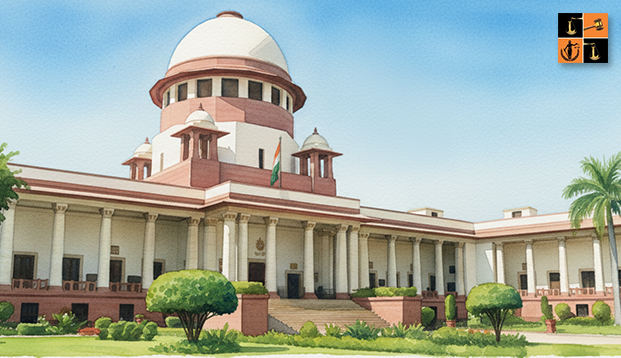
On Thursday, the Supreme Court delivered a firm reminder of institutional independence, with Chief Justice of India Surya Kant emphasising that digital commentary and external noise cannot be permitted to influence judicial decision-making. Hearing a plea by former MP Prajwal Revanna seeking transfer of ongoing rape trials, the Court made it clear that accusations of bias cannot rest on speculative impressions created outside the courtroom, an important caution at a time when social media debates increasingly attempt to frame or pre-empt judicial outcomes.
The case stemmed from Revanna’s allegation that remarks made by the trial judge during earlier proceedings created an atmosphere of prejudice, prompting his request for transfer. His plea landed before the Supreme Court amid a wider public storm: recent open letters from sections of former judges, lawyers, and activists had criticised comments attributed to the CJI in an unrelated Rohingya matter, while another group of retired judges had countered with statements defending the judiciary. This tension between competing narratives formed the backdrop as Revanna’s counsel attempted to elevate ordinary judicial exchanges into grounds for apprehension of bias, an argument that prompted close scrutiny from the bench.
CJI Surya Kant, sitting with Justice Joymalya Bagchi, rejected the premise that questions posed during hearings indicate any predetermined view. Emphasising that courts routinely test both sides through probing queries, he warned against misreading such exchanges: “There is a wrong impression that somebody can browbeat the court… I am a very tough person to be handled.” The Bench noted that social media commentary often exaggerates or misconstrues courtroom observations and held that no material had been presented to demonstrate any real likelihood of bias.
Disclaimer: This news/ article includes information received via a syndicated news feed. The original rights remain with the respective publisher.
Picture Source :



















