









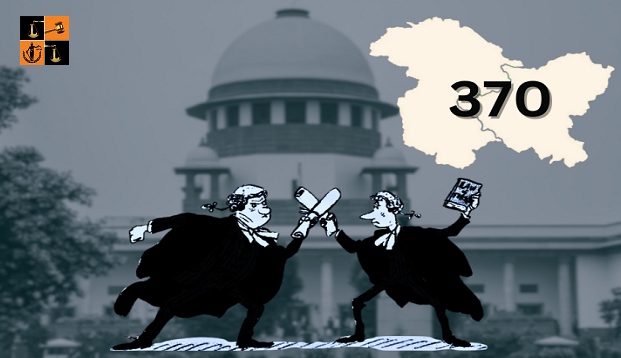
The Centre presented a robust defence of the abrogation of Article 370 in the Supreme Court today, asserting that the move was constitutionally valid and adhered to due process. This move, which stripped the erstwhile state of Jammu and Kashmir of its special status, has been a topic of intense debate since its implementation in August 2019.
The legal proceedings saw the Centre's top law officers, including Attorney General R Venkataramani and Solicitor General Tushar Mehta, arguing that the abrogation was not a "constitutional fraud" as alleged by the petitioners opposing the repeal of Article 370. They emphasized that the procedure followed for abrogation was consistent with constitutional principles.
Attorney General Venkataramani stated, "All arguments on fraud on the Constitution are completely misconceived…no deviation from due process." He further pointed out that there was no wrongdoing in the process and that the step to abrogate Article 370 was necessary.
The issue of the term "constituent assembly" in Article 370 was also a focal point of the discussions. The Chief Justice of India, D Y Chandrachud, questioned the replacement of this term with "legislative assembly" on the day of abrogation. Solicitor General Mehta assured the court that he would explain the procedure adopted and its constitutionality in this regard.
The court also delved into the concept of sovereignty in the context of Jammu and Kashmir. Solicitor General Mehta emphasized that the state had surrendered its external sovereignty to the Union of India upon accession. He differentiated between internal sovereignty and autonomy, stating that autonomy was a feature of every federating unit.
The court proceedings will continue on August 28, as the bench remains seized with several petitions challenging the abrogation of Article 370 and the reorganization of Jammu and Kashmir into two union territories in 2019. The arguments presented today shed light on the government's perspective, aiming to reinforce the constitutionality of the move and provide clarity on the historical and legal context.
Source: Link
Picture Source :



















