









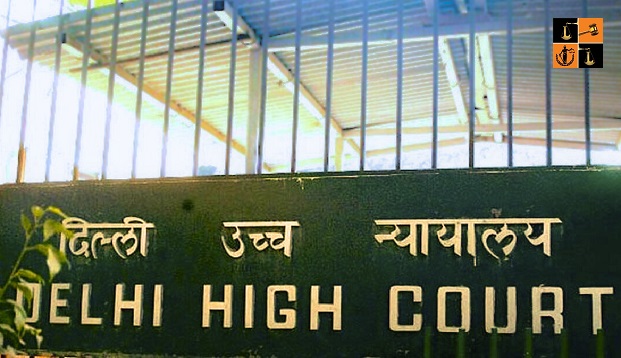
Recently, the Delhi High Court ruled that an unfavourable order cannot, by itself, justify transfer of a case, dismissing a plea seeking to shift a matrimonial dispute to another court and clarifying that litigants must pursue appropriate legal remedies instead of alleging bias.
The case arose from a petition filed by a woman seeking transfer of her matrimonial proceedings from one Mahila Court to another, primarily on the grounds that her husband and mother-in-law had been discharged in a related cruelty case. She contended that the outcome reflected bias and sought reassignment of the matter.
However, the Principal District Judge had earlier rejected the transfer request through a reasoned order, noting that the discharge in the criminal case did not, in itself, establish prejudice. Challenging this, the petitioner approached the High Court, effectively reiterating the same grounds to question the impartiality of the presiding judge.
Justice Saurabh Banerjee held that judicial orders passed in the discharge of official duties cannot be construed as biased merely because they are unfavourable, observing that “merely because it was not a favourable order… cannot involve an element of bias.” The Court emphasised that the burden to substantiate allegations of bias lies on the party asserting it, and dissatisfaction with an outcome must be addressed through appellate or other statutory remedies.
Finding no merit in the plea, the Court dismissed the petition, holding that the attempt amounted to re-agitating issues already decided by a well-reasoned order.
Source PTI
Picture Source :


















