









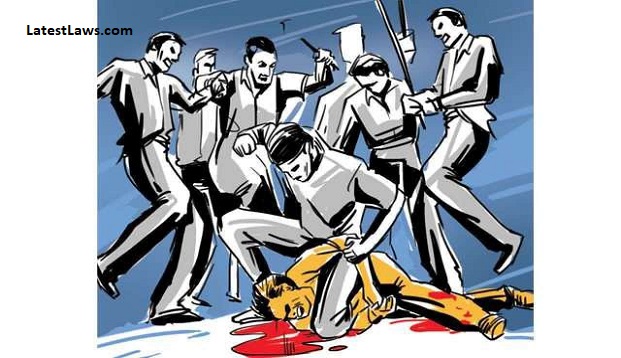
Christian leaders in Bangladesh have welcomed directives from the country’s Top Court ordering the government to bring a complete stop to the mob lynching that led to dozens of deaths last year.
The High Court issued four directives to the ruling Awami League government on March 1, seeking a total halt to mob beatings and the reasons behind such barbaric acts.
The two-judge bench issued the directives in response to a public interest litigation case filed by Supreme Court lawyer Ishrat Hasan last August following the brutal mob killing of Taslima Begum, a single mother of a four-year-old daughter, in capital Dhaka.
Begum was accused of being a child kidnapper and beaten to death on July 20, 2019, as she went to Uttar Badda Government Primary School to enquire about its admission process.
The murder sent shockwaves across Bangladesh, triggering a public and social media backlash.
Begum was one of 54 people, all of them innocents, killed in mob beatings in 2019, including 44 in July alone, according to Ain-O-Salish Kendra (ASK), a Dhaka-based rights watchdog.
The mob lynching spree kicked off over fake, superstitious stories on social media spreading rumors that Padma Bridge, the country’s longest bridge being built on Padma River, required human heads as sacrifices for completion.
The rumors also alleged that many child kidnappers were lurking across Bangladesh to take children for Padma Bridge sacrifices.
The killing spree continued despite authorities including police issuing warnings against such rumors and warning of stern action. Begum’s brutal killing and the public backlash effectively marked the end of mob brutality.
Besides superstitions and a lack of respect for the rule of law, people’s faulty mindset about crime and punishment cause mob lynching, said Bishop Gervas Rozario, chairman of the Catholic bishops’ Justice and Peace Commission.
“In our country, even a thief beats up another thief when he is caught up in a mob beating. Often we don’t look at our own faults but we condemn, judge and abuse people even if they are not guilty at all. This is a social malpractice and we need to dismiss it at any cost,” Bishop Rozario told UCA News.
The prelate welcomed the Supreme Court orders but expressed doubts over their effectiveness to change people’s hearts.
“It is true many people in Bangladesh have a lack of respect for the rule of law. It is partly to be blamed on poor law enforcement but also people’s intention to get quick or mob justice as they wish. Also, there are people who take pride when they can somehow bypass the legal system,” Bishop Rozario said.
The government needs to continue massive awareness campaign so that people don’t take the law into their own hands. Moreover, various institutions such as religious and education institutes as well as rights groups need to play a role in imparting social and moral formation, he noted.
Nirmol Rozario, president of Bangladesh Christian Association, also hailed the court directives and termed mob killings a result of “politically motivated propaganda.”
“It is true that we still have people who believe in superstitions. But more than that, spreading rumors for human heads for pillars of Padma Bridge was politically motivated propaganda to upset and destabilize the government. A vested group has tried to serve its self-interest by spreading rumors that led to mob killings of innocent people. This is an absolutely heinous and deplorable crime,” Rozario told UCA News.
“The government, civil society and social groups must remain alert all the time and play their role properly so that people don’t resort to mob lynching again. An awareness campaign to resist such violence is a must.”
Source Link
Mob lynching happens when citizens lose faith in the justice system, said Dr. Anu Muhammad, an economist and rights activist.
“Often, our legal system and law enforcement agencies favor rich, powerful and politically connected people, which triggers frustrations among common people,” he told UCA News.
“On the other hand, lawmen summarily kill alleged criminals in shootouts. Thus, people take it for granted that it is alright to take the law into their own hands, so mob justice happens. The state must take responsibility and measures to halt this reproduction of state brutality in society.”
Picture Source :



















