









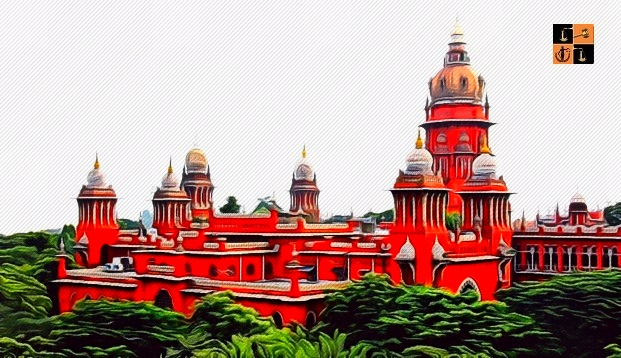
The Arulmigu Dhandayuthapaniswamy Temple in Dindigul, known as one of the six sacred abodes of Lord Murugan in Tamil Nadu, has become the centre of attention as the Madurai bench of the Madras High Court ruled in favour of retaining a display board that prohibits non-Hindus from entering the temple premises. This decision comes in response to a petition filed by D. Senthilkumar, the organizer of the Palani Hill Temple Devotees Organisation, who raised concerns about non-Hindus purchasing tickets to access the temple's hilltop area.
The controversy stems from an incident on June 22, 2023, when non-Hindus purchased tickets at the winch station to enter the Palani hilltop, triggering a demand to reinstate a notice board that had been removed during temple renovation work. Despite appeals to the state government's Hindu Religious and Charitable Endowment (HR & CE) department, the request to restore the notice board restricting non-Hindu entry was not acknowledged.
In response, the Palani Hill Temple Devotees Organisation held a meeting on June 30 and organized a protest on July 11, rallying around 500 participants to draw attention to the issue. The organization's efforts led to a hearing in the Madurai Bench of the Madras High Court, resulting in an order for "status quo ante," effectively mandating the executive officer of the Arulmigu Dhandayuthapaniswamy Temple to reinstall the display board.
The court's decision to restore the display board follows the argument that entry to temples is regulated by the Tamil Nadu Entry Authorization Act of 1947, along with rules established under G.O.(Ms). No.164 Firka Development on March 23, 1948, which clearly states that non-Hindus are prohibited from entering the temple premises or partaking in worship activities. Additionally, the petitioner invoked Article 15(2) of the Constitution, asserting that temples should not be used as mere picnic spots.
Source: Link
Picture Source :




















