









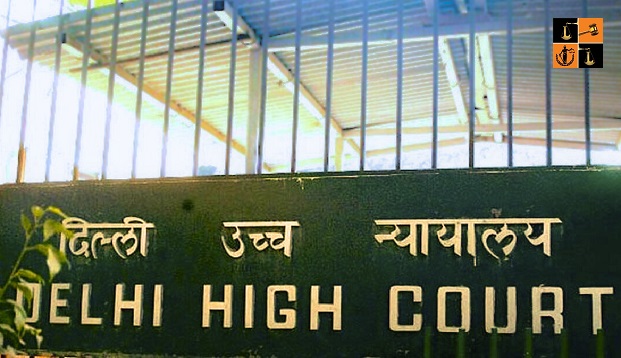
The Delhi High Court has ruled that a plaintiff cannot claim an absolute right to file a replication in civil suits, especially once the trial has reached an advanced stage.
The case came up after a petitioner challenged a trial court order that dismissed his request to place a replication on record. The trial court had declined the application on the ground that evidence had already begun and the first witness was under examination.
Justice Girish Kathpalia, while upholding the trial court’s decision, clarified that the Civil Procedure Code does not expressly provide for replication. Instead, it is a judicially recognised exception, meant to allow the plaintiff to clarify or rebut specific claims raised in the defendant’s written statement. Once accepted, a replication forms part of the pleadings, but this does not mean a plaintiff can demand to file it at any stage of the proceedings.
“The clock cannot be set back,” the Court observed, stressing that replication should ordinarily be filed before issues are framed and certainly before the trial and evidence recording commences.
The Court also noted that the petitioner had himself contributed to the delay by remaining absent on key dates despite clear directions for a time-bound disposal of the suit. It found no fault in the trial court’s refusal to entertain the belated application and upheld the order imposing costs while giving a single opportunity to lead evidence.
Dismissing the petition, the Court underlined that procedural discipline is essential for ensuring speedy trials. The ruling makes it clear that replication is not a vested right but a discretionary tool, and cannot be misused to drag proceedings or reopen settled matters.
Case title: Dinesh Kumar Verma v. Ramesh Ghai
Case no.: CM (M) 1787/2025
Coram: Justice Girish Kathpalia
Counsel for the Petitioner: Adv. Yashaswi SK Chocksey
Picture Source :



















