









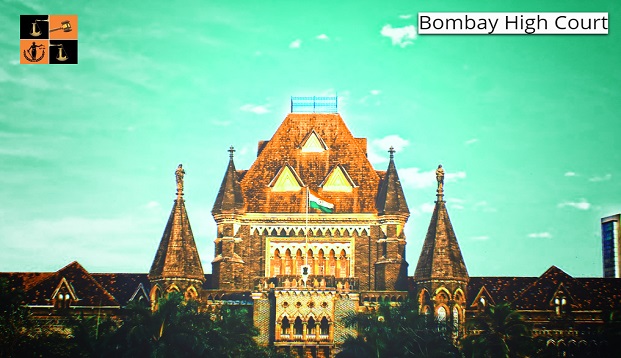
In a recent case before the Bombay High Court, the proceedings were adjourned after the advocate representing the petitioner failed to adhere to the prescribed dress code for lawyers. The bench, comprising Justices AS Gadkari and Shivkumar Dige, passed an order rescheduling the hearing to July 10, 2023, citing the advocate's improper attire as the reason for the adjournment.
According to reports, the advocate appeared in court without wearing a gown, and his band was crumpled. The Assistant Public Prosecutor, Mankuwar Deshmukh, brought this violation to the attention of the court.
The Bar Council of India (BCI) has established specific dress code rules for advocates appearing in different courts and tribunals. Male advocates are required to wear a black buttoned-up coat, chapkan, achkan, or black sherwani, accompanied by white bands and an advocate's gown. Alternatively, they may opt for a black open-breast coat with a white shirt and collar, along with white bands and an advocate's gown. Long trousers, such as white, black-striped, or grey, or a dhoti (excluding jeans), are to be worn with the chosen coat and gown. However, in courts other than the Supreme Court, High Courts, District Courts, Sessions Courts, or City Civil Courts, male advocates may wear a black tie instead of a band.
For female advocates, the BCI rules stipulate the following options: a black full-sleeve jacket or blouse with a white collar (stiff or soft) and white bands, accompanied by an advocate's gown, or a white blouse (with or without a collar) with white bands and a black open breast coat. Female advocates may also wear sarees or long skirts (in white, black, or any mellow or subdued colour without print or design), flare (in white, black, black-striped, or grey), or a salwar kameez, churidar kurta, or salwar kurta (with or without a dupatta) in white or black. Traditional dress with a black coat and bands is also acceptable.
The BCI rules clarify that the use of an advocate's gown is optional, except when appearing before the Supreme Court or High Courts. Furthermore, during summers, advocates are not obliged to wear a black coat, except in the aforementioned higher courts, which are typically air-conditioned.
Last year, the Bar Council of India informed the Allahabad High Court about its formation of a committee to discuss and deliberate the issue of dress code for lawyers in consultation with the bar and judiciary. This development came in response to a plea seeking a ban on the prevailing dress code of black coats. Section 49(1)(gg) of the Advocates Act empowers the Bar Council of India to decide on advocates' attire, taking into account prevailing climatic conditions.
Legal professionals must adhere to the prescribed dress code as it upholds the decorum and professionalism expected within the legal system. The Bombay High Court's decision to adjourn the case serves as a reminder to advocates to maintain the required dress code when appearing before the court, ensuring a respectful and orderly environment for the administration of justice.
Source: Link
Picture Source :



















