









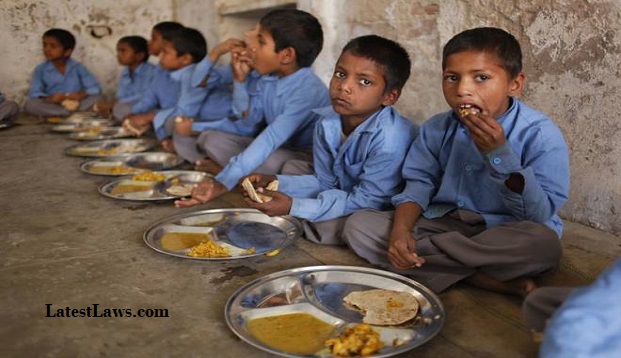
Over 80 per cent adolescents in India suffer from "hidden hunger", a form of undernutrition, & less than 10 per cent of boys & girls consume fruits & eggs daily, according to a new UNICEF report released on Thursday.
Hidden hunger is a deficiency of one or more micronutrients such as iron, folate, zinc, vitamin A, vitamin B12 & vitamin D.
The UNICEF's report, 'Adolescents, Diets & Nutrition: Growing Well in a Changing World', is based on the recently released Comprehensive National Nutrition Survey (CNNS).
An adolescent is defined as an individual aged 10-19 by the United Nations (UN).
UNICEF Executive Director Henrietta Fore called on the Indian govt to translate the data contained in the report into action on ground.
"From UNICEF perspective, we urge 3 key interventions in adolescents diets, behaviours & services that can break this cycle of poor nutrition," she said at the launch of the report at NITI Aayog.
The new report reveals that almost all adolescents in India have unhealthy or poor diets & it is the main cause for all forms of malnutrition.
"Fruits & eggs are consumed daily by less than 10 per cent of boys & girls. Over 25 per cent of adolescents reported no consumption of green leafy vegetables even once a week," the report said.
The report further said that milk products are consumed by 50 per cent of adolescents daily.
"Growing incomes & increased spending on food has translated to greater consumption of fried foods, junk foods, sweets & aerated drinks. Today, 10 to 19-year-olds in every Indian state face an increased risk of diabetes & heart disease," it said.
The report found that adolescent girls especially suffer multiple nutritional deprivations.
"More girls suffer from shortness than boys. Anaemia affects 40 per cent of adolescent girls, compared to 18 per cent of boys, & worsens as they get older," the report said.
UNICEF Executive Director Fore suggested that firstly, action needs to be taken on school premises where adolescent children spend most of their time.
"For example, it means moving from a cereal-based mid-day meal in schools to meals that are more nutrient dense," she said.
"Secondly, we must work with academia to tap into the growing expertise in nutrition, diets & agriculture," she said.
In the 3rd intervention, Fore called for more private sector investment & engagement in adolescent nutrition.
Rajiv Kumar, the vice-chairman of the NITI Aayog, said behavioural change is very crucial for dealing with malnutrition.
Kumar said NITI Aayog is closely working with converging ministries through Poshan Abhiyan to tackle malnutrition.
NITI Aayog CEO Amitabh Kant said the government has working towards tackling malnutrition through a number of programmes but they haven't given the desired results.
"This is largely because we have not been able to bring the level of convergence, the extent of integration across a vast range of departments that work towards providing nutrition," Kant said.
Source Link
Picture Source :



















