









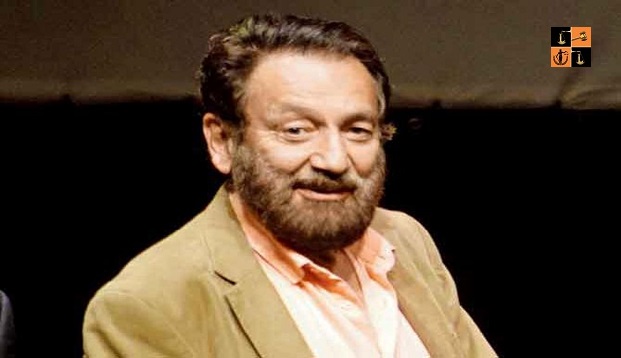
A policy paper authored by Film & Television Institute of India (FTII) Chief Shekhar Kapur & censor board member Vani Tripathi Tikoo has argued against censorship of content on over-the-top (OTT) platforms, & instead advocated industry-led benchmarks to preserve creative freedom.
The paper, published by Delhi-based think tank Esya Centre, comes roughly 3 weeks after the Centre brought news & entertainment websites, including platforms such as Netflix & Amazon Prime, under the purview of the Union Information & Broadcasting Ministry. The move was seen as paving the way for regulation of online content & bring it on par with print & electronic media that are regulated by established bodies under law.
“We need to promote creative freedom, which can be done through industry-led standards, as is the practice in countries around the world. This will require active & continued engagement by the industry, as well as recognition & support from the state,” read the thirty-page report, also authored by Advocate Akshat Agarwal & public policy expert Vivan Sharan.
Currently, there is no direct body or mechanism for online content regulation. The authors clarified that their paper had nothing to do with the Govt but aimed to provide an understanding of the OTT space.
Kapur, an internationally acclaimed director, took over as the FTII chief in Sept. Tikoo, a member of the Bharatiya Janata Party (BJP), is a board member of the Central Board of Film Certification (CBFC).
“You can’t put the lens of film certification on OTT platforms,’’ said Tikoo, who felt that the traditional role of a censor board was over. “Understanding of the space is important for everyone. If we don’t step up, technology will take over,” she added.
The report titled “Embracing Non-Linearity: The Future of India’s Entertainment Industry” also recommended that Indian content makers focus on “telling our own stories’’ & highlight Indian values.
The report said that “Its [India’s] cultural heritage is ancient & diverse, & remains underrepresented on the world stage. It is also well suited to the non-linear entertainment of future, as it contains many traditions of oral storytelling that yield multiple threads from a common recognisable narrative".
In a section titled Creative Freedom, the authors emphasise on the content creators’ freedom to tell stories in whatever manner they wish, resulting in an ecosystem with great diversity of content.
The report said, “In the context of OTT, the industry should be encouraged to come together & standardize, to ensure consumers have all the information & technological controls they need, for making informed decisions about the content they consume".
At present, the Press Council of India looks after print media, television news channels come under purview of News Broadcasters Association. The Advertising Standards Council of India regulates advertisements & CBFC certifies films. The Supreme Court last month sought the Centre’s response on a PIL for regulating OTT platforms by an autonomous body.
Source Link
Picture Source : https://images.mid-day.com/images/2020/sep/shek-shoot_f.jpg



















