









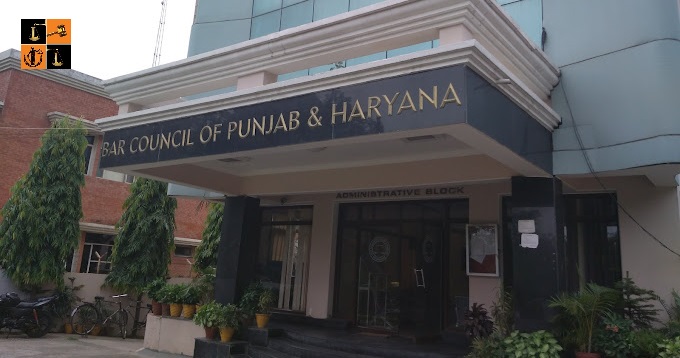
The High Court of Punjab and Haryana observed that the right to information as sought to be invoked by the petitioner can be subject to various restrictions, and the disclosure of identity and information about a victim is against morality and decency since any such disclosure prevents the victim from enjoying a life of dignity.
Brief Facts:
The present Public Interest Litigation was filed, challenging Section 73 of the Bhartiya Nyaya Sanhita (“BNS”) and Section 366(3) of the Bharatiya Nagarik Suraksha Sanhita (“BNSS”), which prohibit publication of proceedings relating to cases involving sexual offences pending in trial court, without court's permission.
Contentions of the Applicant:
It was contended by the petitioner that the right to information is a concomitant of the right to freedom of speech and expression under Article 19 (1) (a) of the constitution and as such is paramount having an over-riding effect over the right to privacy of a victim in crimes against women/ juveniles.
Observations of the Court:
The court stated that the right of a victim to remain incognito or anonymous is directly relatable to the very existence of the person and dignity of the victim, and if the identity of the victim is disclosed especially in crimes against women/juveniles, then harm to the person and dignity of the victim/juvenile that may outweigh the injury caused to a stranger, whose right to know the identity of the victim is denied, and thus the right to information is subservient to right to life.
Further, it was stated that whereas Article 19 (1) (a) of the Constitution, which relates to freedom of speech and expression is the fountainhead of the right to information is not couched in negative terminology, which is evident from the use of expression 'all citizens shall have the right to freedom of speech and expression etc.
It was further observed by the court that the right to information is subject to reasonable restrictions imposed by law relating to the sovereignty and integrity of India, the security of the State, public order, decency or morality or contempt of court, defamation or incitement to an offence and thus restrictions over right to information are much more pronounced than over the right to life under Article 21. The court held that a victim of crime relating to women/juveniles is entitled to special protection, as provided by different laws, including Section 33 of the Special Marriage Act and Section 22 of the Hindu Marriage Act and the administrative instructions issued by the High Court from time to time, as challenged by the petitioner, are manifestations of such protections which victims of sexual offences/juveniles are entitled to enjoy and the protections available to victims cannot be subjugated to the right to information of the petitioner.
The decision of the Court:
The court dismissed the petition.
Case Title: Rohit Mehta @ Rohit Mehta Advocate vs. Punjab and Haryana High Court, Chandigarh and Ors.
Coram: Hon’ble Mr Justice Sheel Nagu and Hon’ble Mr Justice Anil Kshetarpal
Case No.: CWP PIL No. 160 of 2024
Advocate for the Petitioner: Mr. Krishan Kanha, Mr. Kshitiz Goel
Advocate for the Respondent: Mr Amit Jhanji, Mr Shobit Phutela, Ms Zaheen Kaur, Mr Nandita Verma
Read Judgment @LatestLaws.com
Picture Source :




















