









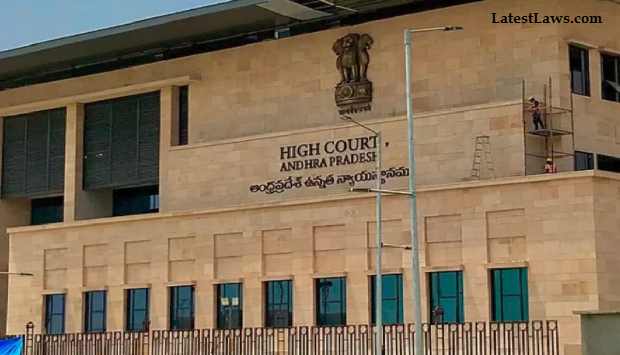
The High Court of Andhra Pradesh dismissed an appeal filed against the judgment which granted a temporary injunction restraining the defendants from executing any agreement of sale till the disposal of the suit. The court ruled that in the exercise of its supervisory jurisdiction under Article 227 of the Constitution, it can set aside findings of fact by subordinate courts if they are unsupported by evidence or are perverse in law. In the specific case, the court acknowledged the plaintiff's prima facie case regarding the specific performance of a sale contract, leading to the grant of a temporary injunction to prevent irreparable loss.
Brief Facts:
The plaintiff filed an original suit against the defendants for the specific performance of the contract of sale executed by defendants 1 and 2, by directing them to receive the balance sale consideration and to execute a registered sale deed in respect of the plaint schedule properties, or to refund the part sale consideration paid by the plaintiff together with interest and also sought for temporary injunction restraining defendants 3 and 4 from alienating the petition schedule properties till disposal of the suit. The trial court allowed the petition granting a temporary injunction restraining defendants 3 and 4, their men, and agents from executing any agreement of sale or alienating the petition schedule property to third parties till disposal of the suit. Aggrieved by the same, defendants 3 and 4 filed an appeal which was dismissed by the district judge. Thus, the present petition has been filed challenging the judgment.
Contentions of the Petitioner:
The learned counsel appearing on behalf of the Petitioner contended that the actual dispute is between the plaintiff and defendants 1 and 2, and defendants 3 and 4 are not parties to the subject agreement of sale and are bona fide purchasers of the subject property for a valuable consideration under registered sale deeds and no injunction can be granted against them and the suit is barred by limitation since the suit is filed nearly 4 ½ years after the execution of the agreement of sale. It is further contended that there is no prima facie case or balance of convenience in favour of the plaintiff warranting a grant of temporary injunction in his favour.
Contentions of the Respondent:
The learned counsel appearing on behalf of the Respondent contended that defendants 1 and 2, who are the original owners of the scheduled property, offered to sell the property to the plaintiff, and the subject agreement of sale was executed by them in favour of the plaintiff after receiving 5 lakhs towards part sale consideration and agreeing to execute a regular sale deed after receipt of the balance of sale consideration but instead of executing regular sale deed, the defendants 1 and 2 sold away the said property to defendants 3 and 4, who, in turn, are making hectic efforts to alienate the property to create a multiplicity of litigation.
Observations of the court:
The court observed that Supervisory jurisdiction under Article 227 of the Constitution is exercised for keeping the subordinate courts within the bounds of their jurisdiction and In the exercise of jurisdiction under Article 227 of the Constitution of India, the High Court can set aside or ignore the findings of fact, of an inferior Court or Tribunal, if there was no evidence to justify such a conclusion and if no reasonable person could possibly have come to the conclusion, which the Court or Tribunal has come to, or, in other 5 words, it is a finding which was perverse in law. Thus, as regards the findings of fact of the inferior Court, the jurisdiction of this Court under Article 227 of the Constitution of India, is limited only to the extent of examining whether the subordinate Court keeps itself within the bounds of its authority in reaching a finding of fact.
The court further observed that defendants 1 and 2 admitted execution of the agreement of sale deed but pleaded that part payments shown by the plaintiff are false and the agreement was created after obtaining their signatures on blank papers on the pretext of obtaining NoC from revenue authorities. Therefore, the burden lies on them to substantiate the same. The court stated that the plaintiff established a prima facie case and a balance of convenience in his favour through the evidence.
The court stated that defendants 3 and 4 contend that they do not know about the transactions between the plaintiff and defendants 1 and 2 and the plaintiff contends that defendants 3 and 4 knowing that there is an agreement of sale in his favour, purchased the subject property, are trying to alienate the suit schedule property and are creating third party interests. Therefore, if a temporary injunction restraining alienation of the scheduled properties is not granted, it would lead to a multiplicity of litigation and would cause irreparable loss to the plaintiff.
The decision of the Court:
The court dismissed the petition.
Case Title: X vs. Y
Coram: Hon’ble Mr. Justice K. Sreenivasa Reddy
Case No.: Civil Revision Petition No.385 OF 2023
Read Judgment @LatestLaws.com
Picture Source :




















