









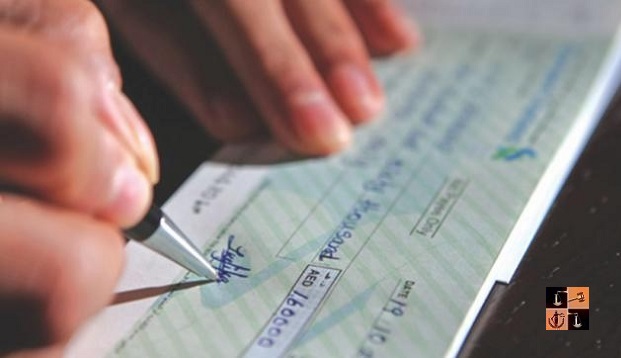
The Karnataka High Court dismissed a criminal appeal filed under Section 378(4) of Cr.P.C, praying to set aside the judgment and order of acquittal dated 02.04.2016 passed in c.c.no.9432/2012, on the file of the Additional Chief Metropolitan Magistrate whereby the Learned Magistrate acquitted the respondent herein for the offence punishable u/sec.138 of the Negotiable Instruments Act, 1881. The Court observed that when the accused replied the legal notice and denied the transaction, the burden lies on the complainant to prove the transaction and also the liability.
Brief Facts:
The complainant and accused were known to each other, they were friends. The accused was running a chit business in which the complainant is said to have invested money and chit was closed on April, 2011. However, the accused did not return the amount. As per the records, the accused had to pay a sum of Rs.2,00,000/- to the complainant. It is stated in the complaint that the complainant made several requests to repay the amount. However, the accused on one or the other pretext dodging the matter. Hence, the complainant had written a letter asking the accused to return the money on 08.10.2011. After receipt of the letter of the complainant, the accused said to have issued a cheque and asked the complainant to present the cheque for encashment. When it was presented for encashment, the said cheque returned with an endorsement as “funds insufficient”. The Trial Court after appreciating the oral and documentary evidence on record, recorded the acquittal for the offence u/sec.138 of the N.I. Act. Hence, the present appeal.
Contentions of the Appellant:
The Learned Counsel for the Appellant submitted that the Trial Court committed an error in not considering the presumption, which is provided u/sec.139 of the N.I. Act in favour of the complainant. Once the ingredients of Section 138 of the N.I. Act are established, the Trial Court should have raised the presumption in favour of the complainant.
Contentions of the Respondent:
The Learned Counsel for the Respondents submitted that the accused was not doing any chit transaction and he has not issued the cheque in dispute to clear the amount which the complainant had invested as a subscriber of the chit. Further, the accused has stated that neither he obtained chit licence from the competent authority to run the chit nor the complainant has proved that the accused was running a chit among the closed circle.
The Court noted that once the ingredients of Section 138 of the N.I. Act are proved or established, the burden would be shifted on the accused to rebut the presumption by leading cogent evidence. If the burden is not shifted, the complainant need not prove his case, as the complainant is protected under the law of presumption. Mere denial of the transaction would not be sufficient to rebut the presumption.
The Court observed that to run a chit transaction, the person must have obtained permission from the competent authority and those who subscribed the said chit transaction being members, at least should have minimum documents to substantiate that they are the members of the chit transaction. When the accused replied the legal notice and denied the transaction, the burden lies on the complainant to prove the transaction and also the liability. Mere possession of the cheque is not sufficient to prove the liability when the presumption is rebutted. The complainant has to prove the liability on the cheque beyond reasonable doubt.
The decision of the Court:
The Karnataka High Court, dismissing the appeal, held that there is no occasion for this Court to interfere with the findings of the trial court.
Case Title: S Chandrashekar v Bojaraj Jain
Coram: Hon’ble Justice S Rachaiah
Case no.: CRIMINAL APPEAL NO. 1017 OF 2016 (A)
Advocate for the Appellant: Mr. Ramachandra G Bhat
Advocate for the Respondents: Mr. Nagraj S Jain
Read Judgment @LatestLaws.com:
Picture Source :




















