









In a significant move towards reducing the litigation burden, the Karnataka High Court has declined to adjudicate the dispute over compensation for a 2,287-square-meter land acquired for the Namma Metro project. Instead, the court has referred the matter to a committee headed by the Chief Secretary to resolve the disagreement between two government entities.
The case was brought before the court by the Special Agricultural Produce Market Committee for Fruits, Flowers, and Vegetables in Binnypet, Bengaluru, seeking higher compensation from the Bangalore Metro Rail Corporation Ltd. (BMRCL) for the land acquisition. The petitioner committee argued that the compensation amount fixed in 2019, amounting to Rs 15.32 crore, was not binding on them as they were not part of the proceedings. They also contended that the awarded compensation should have been higher.
Recognizing the importance of resolving such disputes through alternative platforms, Justice S. Sunil Dutt Yadav emphasized that disagreements between government entities should be addressed through a separate mechanism rather than burdening the courts. The court cited a precedent set by the Apex Court, which stressed the need for states and the Union of India to establish an internal mechanism to settle interdepartmental controversies without resorting to court intervention.
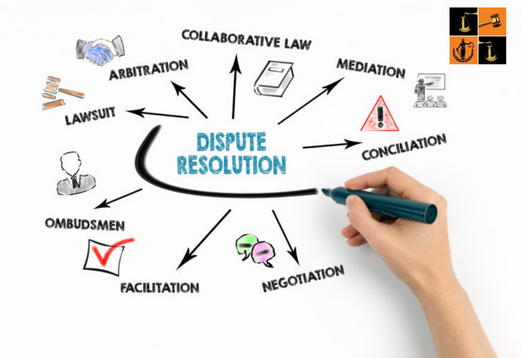
The Karnataka State Dispute Resolution Policy 2021, designed to reduce case pendency involving the state government or its instrumentalities, came into play during the proceedings. The policy introduced the Inter-Departmental Dispute Redressal Committee, led by the Chief Secretary or Additional Chief Secretary, to adopt Alternative Dispute Resolution (ADR) methods for conflict resolution.
Following this approach, the High Court constituted a committee led by the Chief Secretary and comprising representatives from the petitioner committee, the BMRCL, the Karnataka Industrial Areas Development Board (KIADB), the special land acquisition officer, and the principal secretary to the Department of Commerce and Industries. This committee is tasked with addressing and resolving the compensation issue within a stipulated period of three months.
Justice Yadav expressed the belief that such an approach not only aligns with the mandate of the law but also helps reduce the workload on the courts, which often find themselves handling disputes between the State and its entities. The court also granted liberty to the petitioner committee and other parties to the case to return to the court if the resolution process proves unsuccessful due to any legal impediment, ultimately requiring court intervention.
s
Picture Source :




















