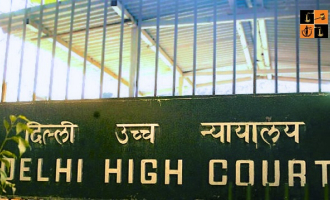
The Delhi High Court in the case of HERO WIND ENERGY PRIVATE LTD v. INOX RENEWABLES LIMITED & ANR states that a party can approach the court for interim relief even after the establishment of an arbitral tribunal if there is a dispute arising subsequently out of the same agreement and said that it is not barred under Section 9(3) of the Arbitration Act.
Background
Inox Wind Ltd. (IWL), Inox Wind Infrastructure Services Ltd. (IWISL) and Inox Renewables Ltd. (IRL) is a part of the Inox group of companies that developed various wind farms. Hero Wind Energy Private Ltd. desired to own one of the wind farms and entered into 3 agreements with Inox. Wrap agreement made IWL in charge of all agreements and also they agreed to sell the land and also supply, install Wind Turbine generators (WTG). In the Shared Services Contract, IRL provided the shared infrastructure for the shared services in the wind park. In the ‘Operation and Maintenance Agreement (O&M), IWISL agreed to maintain the wind farm of Hero and also the shared infrastructure for providing shared services. The former was terminable by Hero, the latter was not. The parties decided to arbitrate in case of a dispute.
Facts
Upon non-performance, Hero sent a notice of 4.6 crores as compensation for damages incurred. Later they invoked Clause 20.2 of the agreement that called for arbitration and gave a month to appoint the arbitrators. Later he initiated proceedings against them and claimed to direct IWISL to hand over the claim of O&M. Later Hero withdrew the application upon the establishment of an arbitral tribunal. While the proceedings were going on, Hero got issued a notice to IWISL for terminating the O&M Agreement and handing over the possession of the project site to Hero with full control of all software. With termination, they mutually tried to decide an amount for taking over shared infrastructure but could yield any result, and then Feeder No. 14 was stopped. Hero initiated the proceedings against IWISL.
Respondent’s Contention
The respondent contended that the appellants were barred from approaching the court under Section 9(3) of the Arbitration Act and the single judge bench who first heard the case decided in the respondent’s favor by saying that Hero can not approach the court while an arbitration tribunal is still in place.
Appeal by Hero
Hero appealed the aforementioned judgment on the fact that the Arbitral Tribunal constituted to adjudicate the disputes which had earlier arisen from the O&M Agreement, would be Arbitral Tribunal within the meaning of Section 9(3) of the Act.
2 Judge Bench constituted
The counsel for the appellant contended that the dispute arose now is different from disputes arose earlier and hence the same tribunal could not look into it. The respondents said that disputes qua which Section 9 application is filed, were barred by Order II Rule 2 of the CPC. The court, however, held that we must not embroil it with Section 9. Further, the court said that the disconnection of Feeder 14 was after the establishment of an arbitral tribunal. The appellant said that disputes arising from the same agreement with separate causes of action are akin to independent suits. The court accepted this argument and rejected the view of a single-judge bench.
Remand the case to the single judge?
The question arose as to who should hear the case. The Appellant wanted the present bench to hear the case while the respondents wanted the contrary. The court decided that since they did not agree with the single judge on maintainability they must take on the case themself. The court further held that Hero is liable to pay O&M already enjoyed and to be enjoyed in the future, from Inox.
The matter was decided on 7th July 2020 by Justice Rajiv Sahai Endlaw.
Read Judgment @Latestlaws.com