Monday, 20, Apr, 2026
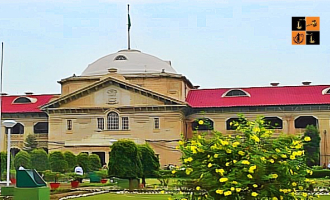
- आसाराम की अपील पर हाईकोर्ट में सुनवाई पूरी, फैसला सुरक्षित:उम्रकैद के फैसले को दी थी चुनौती, दोनों पक्षों की बहस पूरी
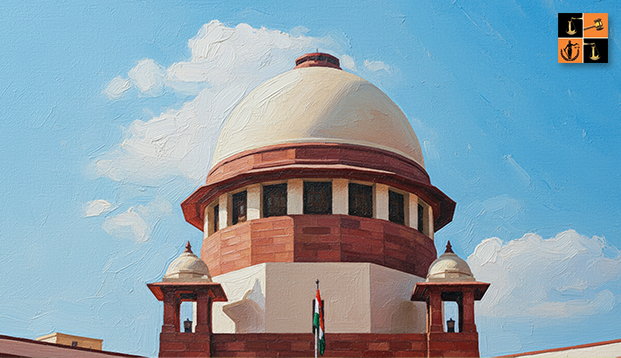
- आपकी एंट्री बंद करा देंगे, इनकी कोई भी अर्जी... किस याचिका पर इतना गुस्सा हो गए सुप्रीम कोर्ट के चीफ जस्टिस
- हमें रिश्तेदारों से बचाओ...शादी के बाद कोर्ट से सुरक्षा मांगने के मामले बढ़ रहे, हाईकोर्ट से मिल रही राहत
- अधीनस्थ न्यायिक अधिकारियों के संरक्षक बनें, उनके करियर को नुकसान न पहुंचाएं', सुप्रीम कोर्ट ने हाई कोर्टों को दी नसीहत
- हाईकोर्ट ने बस्ती SP को अदालत में रोका, कहा- 'हलफनामा सही तथ्यों पर नहीं'
- इंटरव्यू से पहले भर्ती प्रक्रिया पर ब्रेक; हाईकोर्ट ने मेडिकल असिस्टेंट प्रोफेसर भर्ती पर लगाई रोक
- 'विधवा की दूसरी शादी, पहले पति की मौत के दुर्घटना मुआवजे से इनकार करने का आधार नहीं', हाईकोर्ट ने की टिप्पणी
- देवी सरस्वती शिक्षा का प्रतीक... आज कल यह केवल व्यापार; स्कूल व्यवसाय पर हाई कोर्ट की तीखी टिप्पणी
- 'सिर्फ ईमेल से ठेकेदार को बाहर करना गैरकानूनी', हाई कोर्ट ने DDA को लगाई फटकार; फैसला रद
- आबकारी मामले में जज बदलने की याचिका पर आज हाई कोर्ट सुनाएगा फैसला, अरविंद केजरीवाल ने डाली है अर्जी
- कर्ज न लौटाने के विवाद को आपराधिक मामला नहीं माना जा सकता, पूरी कार्यवाही कोर्ट ने की निरस्त
- JOB POST: Research Associate at NLU Delhi [Law & Technology; Contractual; Salary of Rs. 37k; 6 Months]: Apply by May 8
- JOB POST: Legal Trainees- Litigation at Wadhwa & Co., Delhi [2 Positions; Offline]: Apply Now!
- JOB POST: Associate at White & Brief, Mumbai [1-2 PQE; Offline]: Apply Now!
- Internship Opportunity at Treelife, Mumbai [Transactions; Offline]: Apply Now!