Thursday, 07, May, 2026
- HC Explains: Concept of Trial in Absentia under Sec.356 BNSS
- Dowry Death: General and Omnibus Allegations Not sufficient to prove Abetment to Suicide, Rules HC
- Upon Dismissal of Anticipatory Bail, Accused can't seek Quashing of FIR on same Grounds, Rules HC
- Collectors shall enforce Solid Waste Management Rules, 2026, Rules SC
- SC Explains: How to Rescind an Agreement for Sale of Property, Read Judgment
- रामसेतु को राष्ट्रीय स्मारक घोषित करने की मांग, सुप्रीम कोर्ट में अब जुलाई के तीसरे हफ्ते में होगी सुनवाई
- Long Permissive use of Property by a Family Member doesn't Create any Right, Rules HC
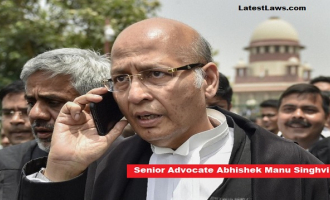
- 'आप ऐसा नहीं कह सकते' दलील पर अभिषेक मनु सिंघवी को जज ने डपटा! सीजेआई सूर्यकांत ने भी एक न सुनी
- भोजशाला विवाद में जैन पक्ष की याचिका ने बदला समीकरण, मूर्ति पर नया दावा, मांगा पूजा-अर्चना का अधिकार
- Cyril Amarchand Mangaldas advised Amphenol Corporation on the open offer made to the public shareholders of ADC India Communications Limited
- 'No Advocate Deserves Threat of Judicial Custody', Young lawyers revolt against APHC Bar Resolution over Viral Courtroom Incident
- आजमगढ़ में चुनावी रंजिश में हुई थी पिता-पुत्र की हत्या, कोर्ट ने 7 आरोपियों को सुनाई उम्रकैद की सजा
- Last Seen Evidence crucial in Child Murder Case, Rules HC DB
- सुप्रीम कोर्ट के आदेश की अनदेखी पर हाईकोर्ट ने अधिकारियों से मांगा जवाब
- TVK चीफ विजय की बढ़ीं मुश्किलें, टैक्स विवाद में धोखाधड़ी और मनी लॉन्ड्रिंग की जांच को लेकर याचिका दायर